

In the era of digital transformation, specialized equipment has become increasingly intelligent and connected. As a specialized equipment supplier, we are not only responsible for providing high - quality products but also need to address potential data security issues, especially data breaches. This blog will explore how to handle data breaches in specialized equipment, sharing practical strategies and insights based on our experiences.
Understanding the Risks of Data Breaches in Specialized Equipment
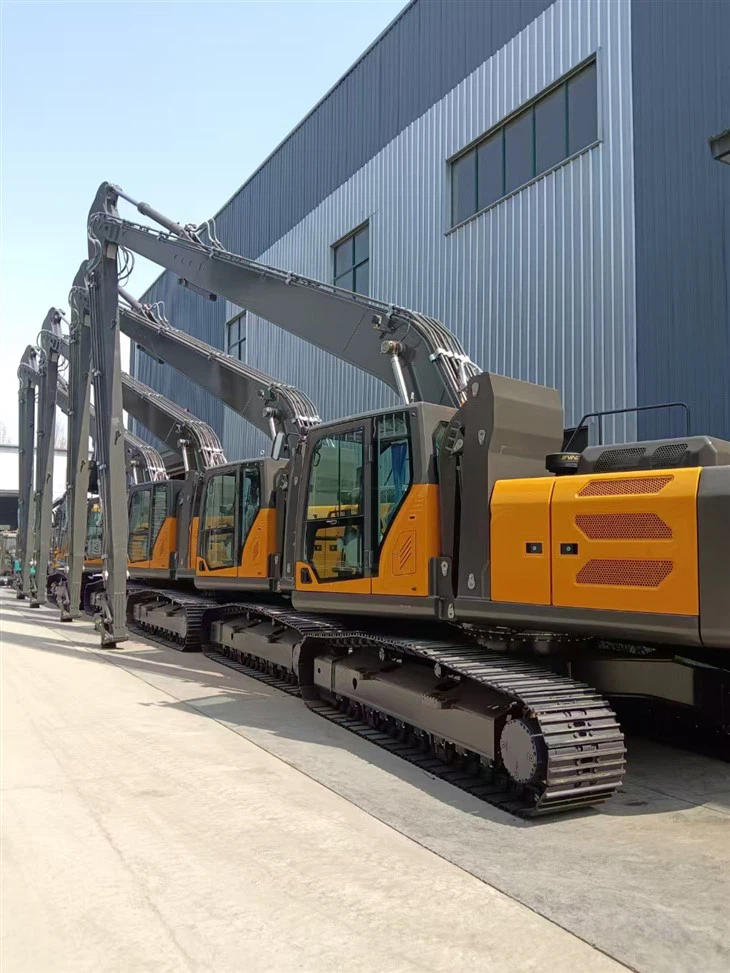
Specialized equipment, such as the Long Arm Excavator, often integrates advanced sensors, control systems, and communication modules. These components generate and transmit a large amount of data, including operational parameters, location information, and user preferences. A data breach can occur when unauthorized parties gain access to this sensitive data, either through network vulnerabilities, malware attacks, or insider threats.
The consequences of a data breach can be severe. It may lead to the leakage of trade secrets, such as unique equipment design features or proprietary algorithms. Competitors could use this information to develop similar products, eroding our market share. Moreover, customer trust can be severely damaged if their personal or business - related data is compromised. In some cases, regulatory fines may also be imposed for non - compliance with data protection laws.
Detection of Data Breaches
Early detection is crucial in minimizing the impact of a data breach. We have implemented a multi - layer monitoring system for our specialized equipment. Firstly, network traffic analysis tools are used to detect abnormal data flows. For example, if a large amount of data is being transferred to an unknown IP address during off - peak hours, it could be a sign of a data breach.

Secondly, we install intrusion detection systems (IDS) and intrusion prevention systems (IPS) on our equipment. These systems continuously monitor the device's behavior, looking for signs of unauthorized access or malicious activities. Any suspicious behavior, such as an attempt to bypass authentication mechanisms, is immediately flagged.
In addition, we encourage our customers to report any unusual behavior they notice in the equipment. This user - driven feedback loop can provide valuable early warnings, as customers are often the first to notice any operational anomalies.
Response to Data Breaches
Once a data breach is detected, a well - defined response plan is essential. Our response process can be divided into the following steps:
Isolation
The first step is to isolate the affected equipment from the network to prevent further data leakage. This can be done remotely through our equipment management platform. By cutting off the network connection, we can stop the unauthorized data transfer and limit the scope of the breach.
Assessment
After isolation, a detailed assessment of the breach is conducted. Our technical team analyzes the type of data that has been compromised, the extent of the damage, and the possible entry points for the attackers. This assessment helps us understand the severity of the situation and determine the appropriate next steps.
Notification
We follow strict notification procedures. If the data breach involves customer - related information, we notify our customers as soon as possible, in accordance with relevant data protection regulations. The notification includes details about the breach, the potential impact on the customers, and the steps we are taking to address the issue. We also cooperate with regulatory authorities and provide them with all the necessary information.
Remediation
To eliminate the root cause of the breach, our engineering team works on patching any software vulnerabilities. We also conduct a thorough security audit of the equipment's firmware and software to ensure that there are no other hidden risks. In some cases, we may need to replace compromised components to fully restore the security of the equipment.
Prevention of Future Data Breaches
Preventing data breaches is always better than dealing with them after they occur. We have adopted several preventive measures:
Secure Design
From the very beginning of the product development process, we incorporate security into the design. This includes using secure coding practices, implementing strong authentication and encryption mechanisms, and conducting regular security reviews. For example, all data transmitted between the equipment and our servers is encrypted using industry - standard encryption algorithms, ensuring that even if the data is intercepted, it cannot be easily decrypted.
Employee Training
Our employees are trained on data security best practices. They are educated about the importance of data protection, how to identify potential security threats, and the proper procedures for handling sensitive data. Regular training sessions are held to keep employees updated on the latest security trends and technologies.
Third - Party Risk Management
We also assess the security of our third - party partners, such as software providers and component suppliers. Before entering into a partnership, we conduct a security audit of their systems and processes. We require them to comply with our data security standards and sign appropriate data protection agreements.
Communication with Customers
Maintaining open and transparent communication with our customers is vital during and after a data breach. We provide regular updates on the progress of our response efforts, reassuring them that we are taking the necessary steps to protect their data. We also offer additional security services, such as enhanced monitoring or data backup, to help customers safeguard their information.
In addition, we use these incidents as opportunities to educate our customers about data security. We provide them with tips on how to protect their own data when using our specialized equipment, such as using strong passwords and keeping their software up - to - date.
Conclusion
Handling data breaches in specialized equipment is a complex but necessary task. As a specialized equipment supplier, we are committed to ensuring the security of our customers' data. By implementing a comprehensive approach that includes detection, response, prevention, and communication, we can effectively manage data breaches and minimize their impact.
If you are interested in our specialized equipment or have any questions about data security, we welcome you to contact us for further discussion and potential procurement. Our team of experts is ready to assist you in finding the best solutions for your needs.
References
- Anderson, R. (2008). Security Engineering: A Guide to Building Dependable Distributed Systems. Wiley.
- NIST Special Publication 800 - 61 Rev. 2. (2018). Computer Security Incident Handling Guide.
- ISO/IEC 27001:2013. (2013). Information technology — Security techniques — Information security management systems — Requirements.


