

Maintaining the backhoe bucket of a backhoe loader is crucial for ensuring its optimal performance, longevity, and safety. As a backhoe loader supplier, I understand the significance of proper maintenance in keeping these machines in top - notch condition. In this blog, I'll share some essential tips on how to maintain the backhoe bucket effectively.
Regular Inspection
The first step in maintaining a backhoe bucket is conducting regular inspections. Inspect the bucket before and after each use. Check for any visible signs of damage such as cracks, dents, or excessive wear. Cracks can spread over time, leading to structural failure, while dents may affect the bucket's digging efficiency.
Examine the cutting edge of the bucket. The cutting edge is the part that comes into direct contact with the material being excavated. If it is worn beyond a certain point, it will make digging more difficult and increase fuel consumption. A worn - out cutting edge may also cause uneven digging and put extra stress on the bucket. You can measure the thickness of the cutting edge using a caliper. If it is less than the recommended thickness, it's time to replace it.

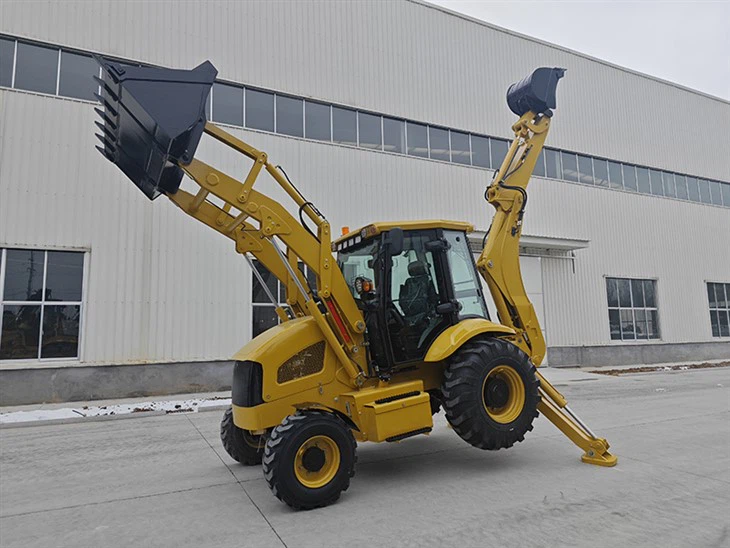
Inspect the teeth of the bucket. The teeth play a vital role in breaking through hard materials. Check for loose, damaged, or missing teeth. Loose teeth can fall off during operation, posing a safety hazard. Damaged teeth may not be able to penetrate the ground effectively. Replace any damaged or missing teeth promptly.
Cleaning
Proper cleaning of the backhoe bucket is essential. After each use, remove any dirt, debris, or mud that has accumulated in the bucket. This not only keeps the bucket looking good but also prevents corrosion. Dirt and mud can trap moisture, which can lead to rusting over time.
Use a high - pressure water hose to clean the bucket thoroughly. Pay special attention to the corners and crevices where dirt tends to accumulate. For stubborn dirt or debris, you can use a wire brush. Avoid using abrasive cleaners that may damage the bucket's surface.
If the bucket has been used in a corrosive environment, such as in contact with chemicals or saltwater, it is important to clean it more carefully. Rinse the bucket with fresh water immediately after use to remove any corrosive substances. You may also consider applying a protective coating to the bucket to prevent corrosion.
Lubrication
Lubrication is key to maintaining the moving parts of the backhoe bucket. The pins and bushings that connect the bucket to the arm of the backhoe loader need to be lubricated regularly. Lack of lubrication can cause excessive friction, leading to premature wear and tear of these parts.
Use a high - quality grease that is suitable for heavy - duty applications. Apply the grease to the pins and bushings using a grease gun. Make sure to lubricate all the moving parts, including the joints and hinges. Check the lubrication levels frequently, especially during heavy - use periods.
Alignment
Proper alignment of the backhoe bucket is crucial for efficient operation. If the bucket is not aligned correctly, it can cause uneven wear on the cutting edge and teeth, and also affect the digging performance.
Check the alignment of the bucket regularly. You can do this by visually inspecting the bucket in relation to the arm of the backhoe loader. If you notice any misalignment, it may be necessary to adjust the bucket. This may involve tightening or loosening the bolts that connect the bucket to the arm. However, if you are not experienced in making these adjustments, it is advisable to seek the help of a professional mechanic.
Storage
When the backhoe loader is not in use, proper storage of the backhoe bucket is important. Store the bucket in a dry and protected area. If possible, cover the bucket with a tarp to prevent it from being exposed to the elements.
If the bucket will be stored for an extended period, it is a good idea to apply a rust - preventive coating to the surface. This will help protect the bucket from rusting during storage.
Replacement Parts
As a backhoe loader supplier, I know that using high - quality replacement parts is essential for maintaining the backhoe bucket. When it comes time to replace the cutting edge, teeth, or other parts of the bucket, make sure to use parts that are specifically designed for your backhoe loader model.
Using inferior or incompatible parts can lead to poor performance and may even cause damage to the bucket. Always source your replacement parts from a reliable supplier. You can also consult with the manufacturer of your backhoe loader for recommendations on the best replacement parts.
Training
Proper training of the operators is also an important aspect of maintaining the backhoe bucket. Operators should be trained on how to use the backhoe loader correctly, including how to operate the bucket. This includes techniques such as proper digging angles, load limits, and avoiding overloading the bucket.
Overloading the bucket can cause excessive stress on the bucket and its components, leading to premature wear and damage. Operators should also be trained on how to perform basic maintenance tasks such as inspection, cleaning, and lubrication.
Monitoring and Record - Keeping
Keep a record of the maintenance activities performed on the backhoe bucket. This includes inspection dates, cleaning schedules, lubrication times, and any replacement parts used. By keeping a detailed record, you can track the maintenance history of the bucket and identify any potential issues early on.
Regularly monitor the performance of the backhoe bucket. If you notice any changes in its digging efficiency, such as slower digging or increased fuel consumption, it may be a sign of a problem. Investigate the issue promptly and take appropriate action.
In conclusion, maintaining the backhoe bucket of a backhoe loader requires a combination of regular inspection, cleaning, lubrication, alignment, proper storage, use of high - quality replacement parts, operator training, and monitoring. By following these tips, you can ensure that your backhoe bucket remains in good condition, performs efficiently, and has a long service life.
If you are in the market for a new backhoe loader or need high - quality replacement parts for your existing equipment, we are here to help. We offer a wide range of New Mini Backhoe Loader and related products. Contact us today to start a procurement discussion and find the best solutions for your needs.
References
- Manufacturer's manual for backhoe loaders
- Industry standards for backhoe bucket maintenance
- Technical articles on heavy equipment maintenance


