

Can a 2 - ton diesel forklift be used in food processing facilities?
As a supplier of 2 - ton diesel forklifts, I often encounter inquiries from customers in the food processing industry about the suitability of our products for their facilities. This is a crucial question that requires a comprehensive analysis of various factors, including safety, hygiene, and operational efficiency.
Safety Considerations
Safety is of utmost importance in food processing facilities. Diesel forklifts, by nature, emit exhaust fumes that contain harmful pollutants such as carbon monoxide, nitrogen oxides, and particulate matter. In a closed or poorly ventilated food processing environment, these emissions can pose a significant health risk to workers. Prolonged exposure to these pollutants can lead to respiratory problems, headaches, and even more severe health issues.
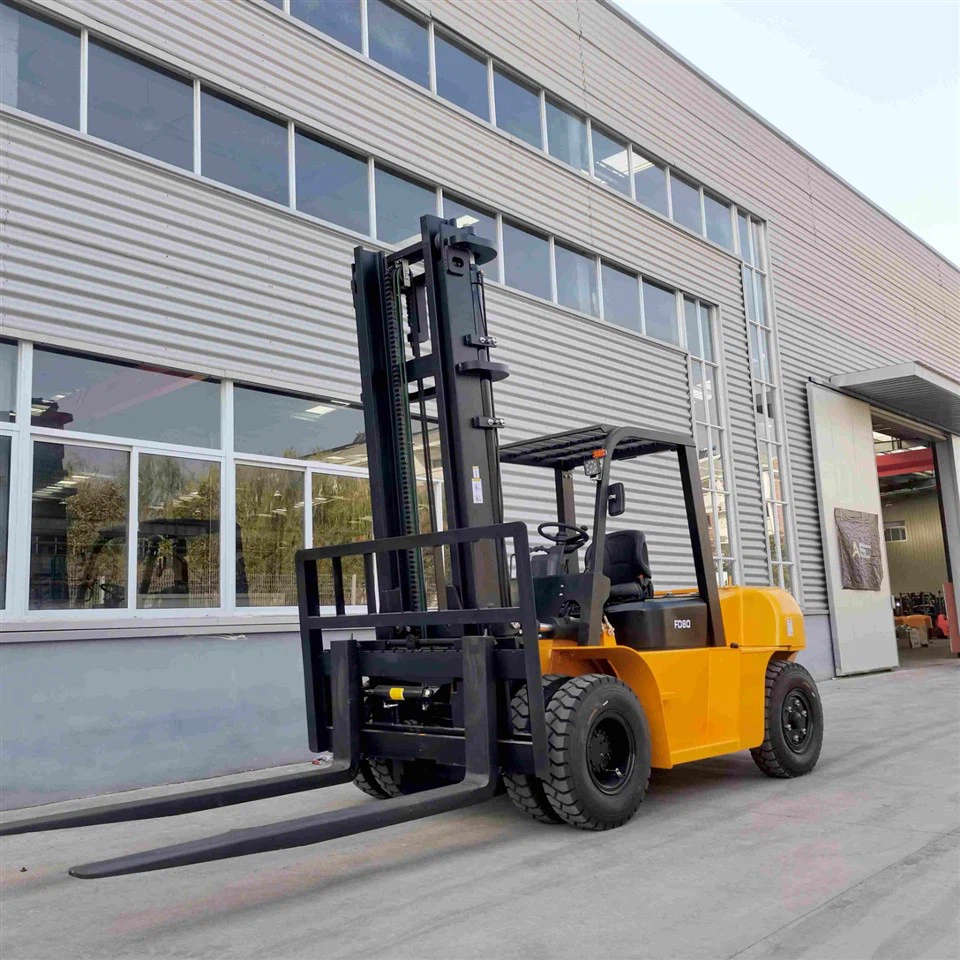
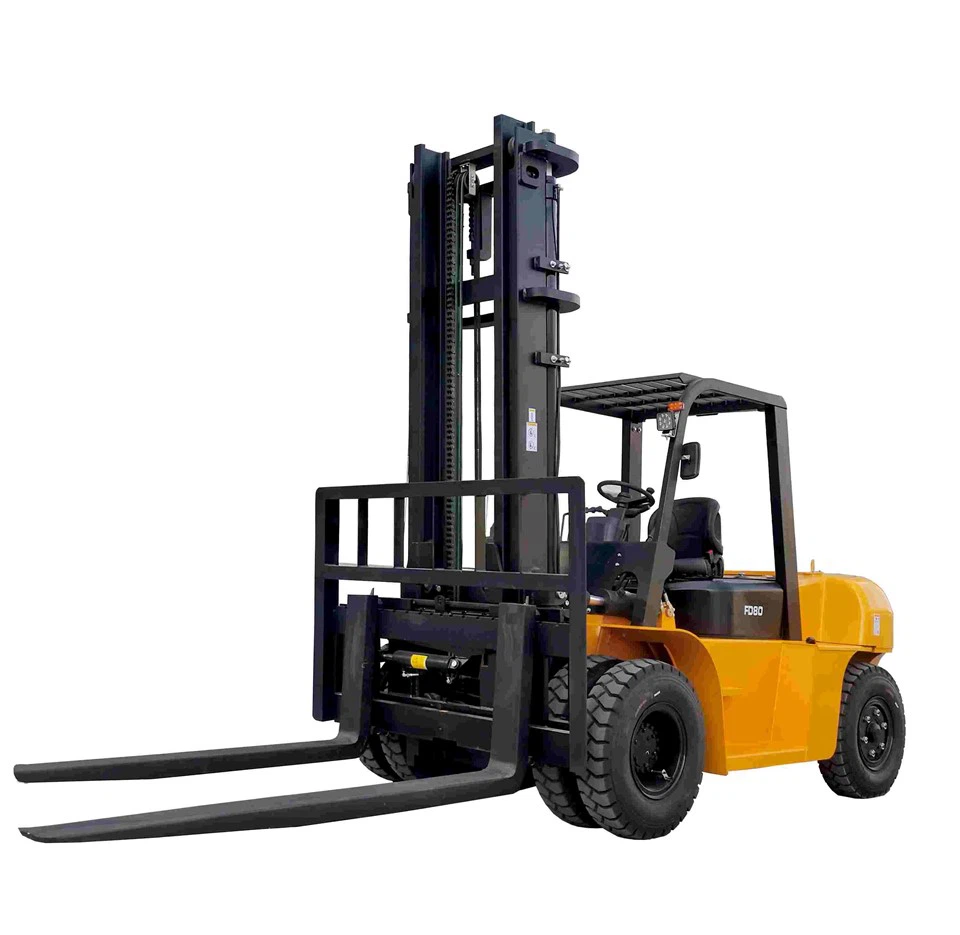
However, modern 2 - ton diesel forklifts are equipped with advanced emission control technologies. For example, many models feature diesel particulate filters (DPFs) and selective catalytic reduction (SCR) systems. These technologies can significantly reduce the amount of harmful emissions released into the atmosphere. Nevertheless, it is essential to ensure that the facility has adequate ventilation systems in place to further minimize the risk of exposure to exhaust fumes.
In addition to exhaust emissions, diesel forklifts also pose a fire and explosion risk. Diesel fuel is flammable, and any leakage or improper handling can lead to dangerous situations. Food processing facilities often have strict fire safety regulations, and the use of diesel forklifts must comply with these requirements. This may include regular maintenance checks to prevent fuel leaks, proper storage of diesel fuel, and the installation of fire suppression systems in the forklift and the facility.
Hygiene Requirements
Food processing facilities have strict hygiene standards to ensure the safety and quality of the products. Diesel forklifts can potentially introduce contaminants into the food processing environment. The moving parts of the forklift, such as the engine, transmission, and hydraulic systems, can generate dust, oil, and grease. These substances can fall onto the floor or food products, leading to contamination.
To address this issue, it is crucial to choose a 2 - ton diesel forklift that is designed with hygiene in mind. Some forklifts are equipped with sealed components to prevent the leakage of oil and grease. Additionally, regular cleaning and maintenance of the forklift are essential. This includes wiping down the forklift after each use, checking for any signs of contamination, and replacing filters and fluids as recommended by the manufacturer.
Another aspect to consider is the tires of the forklift. Rubber tires can pick up dirt and debris from the floor and transfer it to other areas of the facility. Some food processing facilities may require forklifts with non - marking tires to prevent the transfer of contaminants and maintain a clean appearance.
Operational Efficiency
When it comes to operational efficiency, 2 - ton diesel forklifts have several advantages. Diesel engines are known for their high torque and power, which makes them suitable for heavy - duty applications. In a food processing facility, there may be a need to lift and move heavy pallets of food products, raw materials, or equipment. A 2 - ton diesel forklift can handle these tasks with ease, providing fast and efficient material handling.
Diesel forklifts also have a longer runtime compared to electric forklifts. They do not require frequent recharging, which means less downtime for the forklift and increased productivity. This is particularly important in large - scale food processing facilities where continuous operation is necessary to meet production targets.
However, it is important to note that the operational efficiency of a diesel forklift also depends on factors such as operator training and proper maintenance. A well - trained operator can optimize the performance of the forklift, while regular maintenance can ensure that the forklift operates at its best.
Alternatives to Diesel Forklifts
While 2 - ton diesel forklifts have their advantages, there are also alternative options available for food processing facilities. Electric forklifts are a popular choice due to their zero - emission operation. They do not produce exhaust fumes, which eliminates the risk of air pollution in the facility. Electric forklifts are also quieter and require less maintenance compared to diesel forklifts.
However, electric forklifts have some limitations. They have a limited runtime and require charging stations, which can take up valuable floor space in the facility. The initial cost of an electric forklift is also higher than that of a diesel forklift.
Another alternative is the use of propane - powered forklifts. Propane forklifts produce fewer emissions compared to diesel forklifts and offer a good balance between power and environmental friendliness. They also have a relatively long runtime and can be refueled quickly.
Conclusion
So, can a 2 - ton diesel forklift be used in food processing facilities? The answer is yes, but with careful consideration and proper precautions. It is essential to ensure that the forklift meets the safety and hygiene requirements of the facility, and that the facility has the necessary infrastructure in place to support the use of a diesel forklift.
As a supplier of 2 - ton diesel forklifts, we offer a range of models that are designed to meet the specific needs of food processing facilities. Our forklifts are equipped with advanced emission control technologies and hygiene - friendly features to ensure safe and efficient operation.
If you are considering purchasing a forklift for your food processing facility, we encourage you to contact us for more information. We can provide you with detailed product specifications, performance data, and guidance on choosing the right forklift for your needs. We also offer after - sales support, including maintenance and training services, to ensure that your forklift operates at its best.
In addition to our 2 - ton diesel forklifts, we also offer other models such as the 5 Ton Diesel Forklift, Forklift 4 Ton Diesel, and 8 Ton Forklift Heavy Duty. These forklifts are suitable for a wide range of applications and can provide you with the power and performance you need.
Don't hesitate to reach out to us for a consultation. We look forward to working with you to find the perfect forklift solution for your food processing facility.
References
- "Safety Guidelines for Forklift Operations in Food Processing Facilities," Occupational Safety and Health Administration (OSHA).
- "Hygiene Standards in Food Processing," Food and Drug Administration (FDA).
- "Forklift Technology and Performance," Industry Research Reports.


