

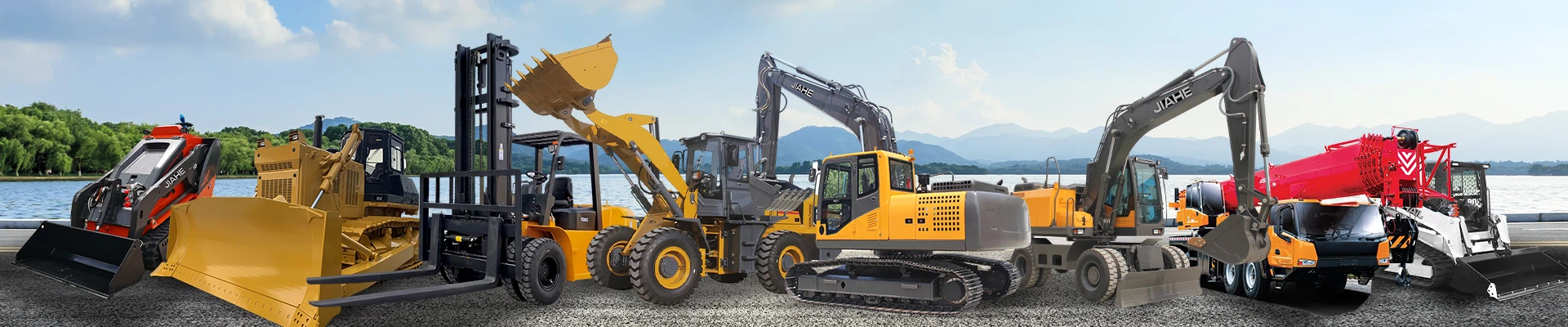
As a multifunctional equipment in the field of engineering machinery, skid steer loaders are widely used in construction, agriculture, logistics and other fields. Its flexible operability and efficient operation ability make it the preferred tool for many companies. However, with the increase in frequency of use, the maintenance and repair of skid steer loaders are particularly important. This article will explore the key points of skid steer loader maintenance and analyze the future development trend of the industry.
The maintenance of skid steer loaders mainly focuses on three aspects: power system, hydraulic system and structural components. The power system is the core of the equipment, and engine failure may cause the whole machine to fail to operate normally. Regularly checking the engine oil, coolant and fuel system to ensure no leakage and blockage is the key to extending the life of the engine. The hydraulic system is responsible for driving the bucket, boom and other components of the loader. The quality of the hydraulic oil and the cleanliness of the filter element directly affect the efficiency of the system. It is recommended to replace the hydraulic oil every 500 hours and regularly check the pipeline sealing to avoid hydraulic oil leakage.
The maintenance of structural components should not be ignored. The frame, bucket and tires of the skid loader are subjected to high-intensity operations for a long time and are easily damaged by wear or impact. Regularly check whether there are cracks in the welding parts of the frame, whether the bucket edge is excessively worn, and replace the tires in time to avoid the risk of tire blowout. In addition, the wiring terminals, sensors and controllers of the electrical system also need to be inspected regularly to prevent equipment failure due to line aging or short circuit.
From the perspective of industry development trends, intelligence and electrification are becoming new directions in the field of skid loader maintenance. More and more equipment is equipped with intelligent diagnostic systems that can monitor equipment status in real time and warn of potential failures, thereby reducing maintenance costs. At the same time, electric skid loaders are gradually favored by the market due to their environmental protection and low maintenance requirements. In the future, with the advancement of battery technology, the application scope of electric loaders will be further expanded.
In short, the maintenance of skid loaders is not only related to the service life of the equipment, but also directly affects the operating efficiency of the enterprise. Through scientific maintenance strategies and keeping up with industry trends, users can maximize the value of equipment and enhance market competitiveness.


