

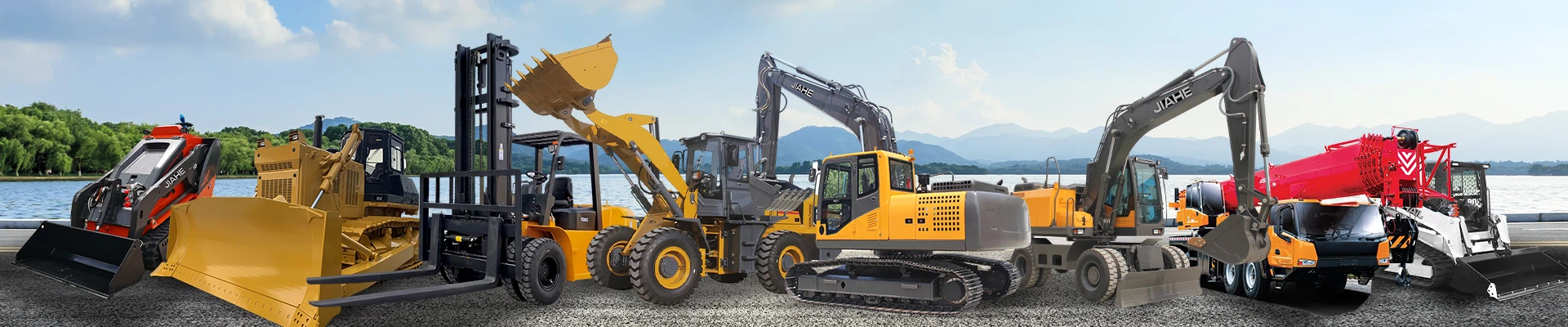
As the core equipment in the field of engineering machinery, excavators are widely used in construction, mining, water conservancy and other fields. With the growth of global infrastructure construction demand, the excavator market continues to expand. Understanding the classification of excavators will help foreign trade companies accurately meet customer needs and enhance market competitiveness. This article will analyze the classification of excavators from different dimensions to provide reference for industry practitioners.
According to the power source classification, excavators are mainly divided into electric excavators, diesel excavators and hybrid excavators. Electric excavators are driven by electricity, with low noise and low pollution, suitable for urban construction and scenes with high environmental protection requirements. Diesel excavators are powerful and adaptable to complex working conditions, and are still the mainstream of the market. Hybrid excavators combine the advantages of both and have lower energy consumption, which is gradually becoming a new trend in the industry.
According to the walking mode classification, excavators can be divided into crawler excavators and wheeled excavators. Crawler excavators have a small ground pressure and strong stability, which are suitable for rugged terrain and heavy operations. Wheeled excavators are flexible and move quickly, suitable for urban roads and construction environments with frequent transfers. Foreign trade enterprises can recommend suitable models according to the terrain characteristics of the target market and customer needs.
According to the bucket type, excavators are divided into front shovel excavators, backhoe excavators, grab excavators and dragline excavators. Front shovel excavators are suitable for digging hard materials and large-scale earthwork operations; backhoe excavators are the most common type in the market, suitable for digging deep foundation pits and ditches; grab excavators are used to grab bulk materials such as coal, ore, etc.; dragline excavators are good at leveling sites and digging soft soil.
In addition, excavators can also be divided into micro, small, medium and large excavators according to tonnage. Micro excavators are suitable for operations in small spaces, small excavators are flexible and efficient, medium excavators balance performance and efficiency, and large excavators are used for large-scale earthwork projects.
Understanding the classification of excavators will help foreign trade enterprises accurately grasp market demand and provide customers with professional solutions. With the development of intelligent and environmental protection technologies, the excavator market will show more innovative trends in the future. Enterprises need to continue to pay attention to industry trends to seize market opportunities.


