

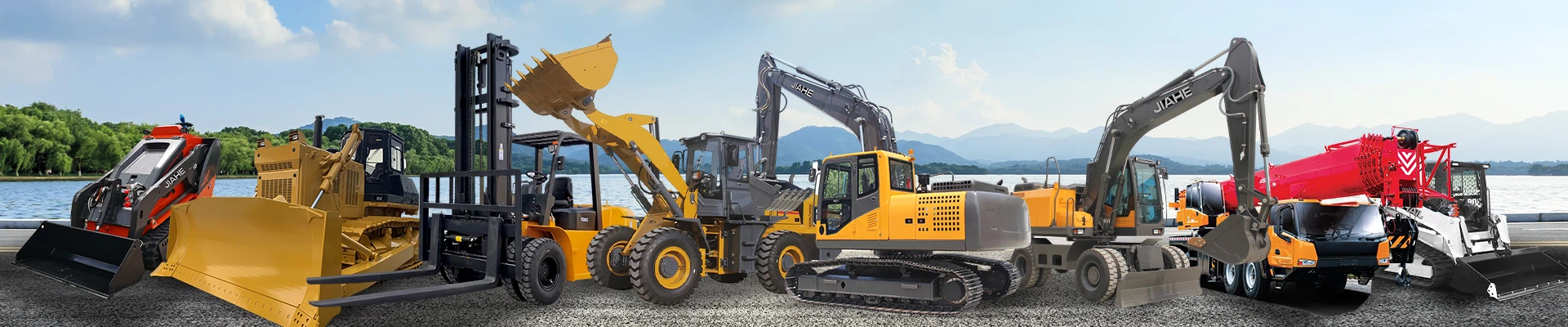
As an efficient and flexible multifunctional engineering machinery, skid steer loaders are widely used in construction, agriculture, municipal administration and other fields. There are significant differences in performance, configuration and application scenarios between skid steer loaders of different models and brands. Understanding these differences will help users choose the most suitable equipment according to actual needs.
Differences in power systems
The power systems of skid steer loaders are usually divided into two types: diesel engine and electric. Diesel-powered models are suitable for long-term, high-intensity operations, with strong power and long endurance, and are widely used in outdoor construction. Electric skid steer loaders are more environmentally friendly and low in noise, suitable for indoor or places with strict emission requirements, such as warehouses and factories. Users need to choose the appropriate power type according to the working environment.
Load capacity and bucket capacity
The load capacity and bucket capacity of skid steer loaders directly affect their work efficiency. Light models are usually suitable for small projects or fine operations, with smaller bucket capacity but stronger maneuverability. Heavy models have greater load capacity and bucket capacity, suitable for large-scale earthwork handling or heavy load operations. Users need to choose a matching model according to the scale of construction to ensure efficient operation.
Attachment adaptability and versatility
One of the core competitiveness of skid steer loaders is its versatility. By replacing attachments, multiple functions such as excavation, shoveling, cleaning, and crushing can be achieved. There are differences in the adaptability of attachments of different models. Some high-end models support quick-change systems, which can greatly improve operational flexibility. When choosing, users should consider the types of attachments that may be used in the future to ensure that the equipment has good compatibility.
Operation comfort and safety
Modern skid steer loaders are constantly improving in terms of operating comfort and safety. Some models are equipped with suspended seats, shock absorption systems and air conditioning to reduce driver fatigue. In addition, electronic auxiliary systems such as tilt alarms and load monitoring can improve operational safety. Users can choose models with corresponding functions according to their own needs.
The selection of skid steer loaders requires comprehensive consideration of factors such as power, load, versatility and operating experience. Understanding these key differences will help users make more informed purchasing decisions and improve construction efficiency.


