

As a supplier of Cummins engines, I've witnessed firsthand the importance of proper maintenance in ensuring the longevity and optimal performance of these powerful machines. Cummins engines are renowned for their reliability and durability, but like any complex piece of equipment, they require regular upkeep to function at their best. In this blog post, I'll delve into the essential maintenance tasks that every Cummins engine owner should be aware of.
Regular Oil Changes
One of the most critical maintenance tasks for any engine is regular oil changes. Engine oil serves multiple purposes, including lubricating moving parts, reducing friction, and carrying away heat and contaminants. Over time, oil breaks down and becomes less effective, which can lead to increased wear and tear on the engine.
For Cummins engines, it's recommended to change the oil and oil filter at regular intervals, typically every 10,000 to 25,000 miles, depending on the engine model and operating conditions. Using high-quality oil that meets the manufacturer's specifications is crucial to ensure proper lubrication and protection.
Air Filter Replacement
The air filter plays a vital role in keeping the engine clean by preventing dirt, dust, and other contaminants from entering the combustion chamber. A clogged air filter can restrict airflow to the engine, reducing power and fuel efficiency.
Inspect the air filter regularly and replace it when it becomes dirty or clogged. In dusty or dirty environments, the air filter may need to be replaced more frequently. A clean air filter not only improves engine performance but also helps to extend the life of other engine components.
Fuel Filter Maintenance
The fuel filter is responsible for removing impurities and contaminants from the fuel before it reaches the engine. A dirty or clogged fuel filter can cause fuel delivery problems, reduced power, and poor fuel economy.
Replace the fuel filter at the recommended intervals, usually every 10,000 to 20,000 miles. Using high-quality fuel filters is essential to ensure proper fuel filtration and prevent damage to the fuel injectors and other engine components.
Coolant System Maintenance
The coolant system is responsible for regulating the engine's temperature and preventing it from overheating. Over time, coolant can break down and lose its effectiveness, which can lead to engine overheating and damage.
Check the coolant level regularly and top it off as needed. It's also important to flush and replace the coolant at the recommended intervals, typically every 2 to 5 years, depending on the engine model and operating conditions. Using the correct type of coolant is crucial to ensure proper cooling and corrosion protection.
Belt and Hose Inspection
Belts and hoses play a crucial role in the operation of the engine, including driving the alternator, water pump, and other accessories. Over time, belts can wear out and become loose, while hoses can develop cracks and leaks.
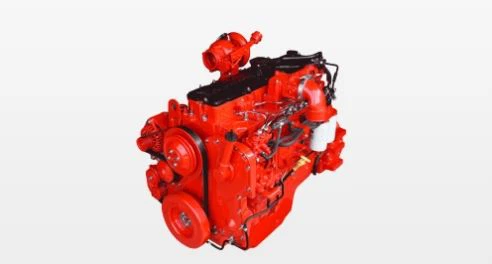

Inspect the belts and hoses regularly for signs of wear, damage, or looseness. Replace any worn or damaged belts and hoses as soon as possible to prevent breakdowns and costly repairs.
Battery Maintenance
The battery is essential for starting the engine and powering the electrical system. A weak or dead battery can prevent the engine from starting and cause other electrical problems.
Check the battery regularly for signs of corrosion, damage, or low electrolyte levels. Clean the battery terminals and connections to ensure good electrical contact. If the battery is more than 3 to 5 years old, it may need to be replaced.
Spark Plug Replacement (for Gasoline Engines)
If you have a Cummins gasoline engine, spark plugs are an important component that needs to be replaced regularly. Spark plugs ignite the air-fuel mixture in the combustion chamber, and worn or fouled spark plugs can cause misfires, reduced power, and poor fuel economy.
Replace the spark plugs at the recommended intervals, usually every 30,000 to 100,000 miles, depending on the engine model and operating conditions. Using high-quality spark plugs is essential to ensure proper ignition and engine performance.
Professional Maintenance and Servicing
In addition to regular maintenance tasks, it's also important to have your Cummins engine serviced by a qualified professional at regular intervals. A professional mechanic can perform a comprehensive inspection of the engine, identify any potential problems, and perform necessary repairs and maintenance.
Professional maintenance and servicing can help to ensure that your Cummins engine is running at its best and can help to prevent costly breakdowns and repairs. It's recommended to have your engine serviced at least once a year or every 10,000 to 20,000 miles, depending on the engine model and operating conditions.
Specific Maintenance for Different Cummins Engine Models
Cummins offers a wide range of engine models, each with its own unique maintenance requirements. Here are some specific maintenance tips for a few popular Cummins engine models:
- Cummins L8.9 164kW 220hp: This engine is known for its reliability and performance. In addition to the regular maintenance tasks mentioned above, it's important to pay special attention to the turbocharger and exhaust system. Inspect the turbocharger for signs of wear and damage, and clean or replace the exhaust filters as needed.
- Cummins M15 308kW 420hp: The Cummins M15 is a powerful engine that is commonly used in heavy-duty applications. It's important to follow the manufacturer's recommended maintenance schedule and use high-quality parts and fluids. In addition, pay attention to the engine's cooling system and ensure that it is functioning properly.
- Cummins B5.9 96kW 130hp: This engine is popular for its fuel efficiency and durability. Regular oil changes, air filter replacements, and fuel filter maintenance are essential for keeping this engine running smoothly. It's also important to check the engine's timing belt and replace it at the recommended intervals.
- Cummins F4.5 74kW 99hp: The Cummins F4.5 is a compact and efficient engine that is commonly used in light-duty applications. In addition to the regular maintenance tasks, it's important to check the engine's fuel injection system and ensure that it is functioning properly.
- Cummins B3.9 59kW 80hp: This engine is known for its reliability and simplicity. Regular maintenance tasks, such as oil changes, air filter replacements, and fuel filter maintenance, are essential for keeping this engine running smoothly. It's also important to check the engine's valves and adjust them as needed.
Conclusion
Proper maintenance is essential for ensuring the longevity and optimal performance of Cummins engines. By following the recommended maintenance schedule and performing regular maintenance tasks, you can help to prevent costly breakdowns and repairs and keep your engine running at its best.
If you're in the market for a Cummins engine or need maintenance and servicing for your existing engine, don't hesitate to contact us. We're a trusted supplier of Cummins engines and can provide you with the expert advice and support you need.
References
- Cummins Engine Maintenance Manuals
- Cummins Technical Bulletins
- Industry Best Practices for Engine Maintenance


