

When it comes to the world of heavy - equipment construction, bulldozers stand out as one of the most versatile and powerful machines. They are used in a wide range of applications, from large - scale earthmoving projects to more delicate site preparation tasks. A crucial aspect that people often inquire about is the size of a bulldozer. Understanding the size of a bulldozer is essential for both contractors looking to rent or purchase the right equipment and engineers planning a construction project. In this blog, as a bulldozer supplier, I will delve into the various factors that define the size of a bulldozer and how it relates to the machine's performance and application.
Defining the Size of a Bulldozer
The size of a bulldozer can be measured in multiple ways. The most common metrics used include horsepower, operating weight, blade width, and track length. Each of these factors plays a significant role in determining the capabilities of the bulldozer and where it can be most effectively utilized.
Horsepower
Horsepower (hp) is a measure of the engine's power output. It indicates the amount of work the bulldozer can perform over a given period. Generally, higher horsepower means the bulldozer can handle more challenging tasks. Smaller bulldozers may have as little as 40 - 50 hp, which are suitable for light - duty tasks such as small - scale landscaping or snow removal. On the other hand, large - scale mining and heavy construction projects often require bulldozers with over 500 hp. For example, our 160hp Bulldozer Mini Crawler Bulldozer is a popular choice for medium - sized construction sites. It offers a good balance between power and maneuverability, capable of handling tasks like grading and moving moderate amounts of soil.
Operating Weight
The operating weight of a bulldozer includes the weight of the machine itself, the operator, fuel, and any attachments. This metric is crucial as it affects the bulldozer's stability and traction. Heavier bulldozers typically have better traction on soft or uneven ground, which is essential for pushing large amounts of material. Smaller bulldozers may weigh around 2 - 3 tons, while the largest ones can exceed 100 tons. Our HD11 Crawler Bulldozer, for instance, has a significant operating weight that allows it to handle heavy - duty earthmoving tasks with ease, providing the necessary stability to push large volumes of soil and rocks.
Blade Width
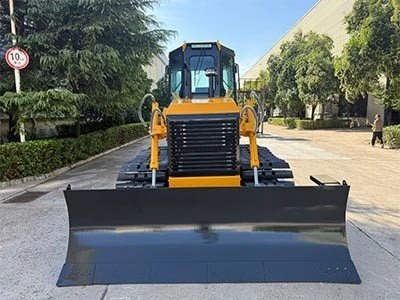
The width of the bulldozer blade determines the amount of material the machine can move in a single pass. A wider blade can cover more ground and move larger quantities of soil, gravel, or debris. Blade widths can range from less than 2 meters for small bulldozers to over 4 meters for large - scale models. When choosing a bulldozer based on blade width, it's important to consider the nature of the project. For narrow construction sites or areas with limited space, a bulldozer with a narrower blade may be more appropriate to ensure maneuverability. Our Dozers Crawler Bulldozer 160HP comes with a blade width that is optimized for a variety of construction tasks, allowing for efficient material handling without sacrificing too much in terms of maneuverability.
Track Length
The track length of a bulldozer affects its stability, traction, and flotation. Longer tracks distribute the weight of the machine over a larger area, which is beneficial when operating on soft or marshy ground. This reduces the ground pressure and prevents the bulldozer from sinking. Additionally, longer tracks can provide better stability when pushing heavy loads or working on slopes. Shorter tracks, on the other hand, offer better maneuverability, making them suitable for tight spaces.
How Size Affects Performance and Application
The size of a bulldozer directly impacts its performance and the types of applications it is best suited for.
Small Bulldozers
Small bulldozers, characterized by low horsepower, light operating weight, narrow blade widths, and shorter track lengths, are ideal for small - scale projects. These may include residential landscaping, small - lot clearing, and snow removal in parking lots or driveways. Their compact size allows them to navigate through tight spaces and work in areas where larger machines cannot access. They are also more fuel - efficient and easier to transport, which can be a significant advantage for smaller contractors or those with limited resources.
Medium - Sized Bulldozers
Medium - sized bulldozers strike a balance between power and maneuverability. With horsepower ranging from 100 - 250 hp, they are suitable for a wide range of construction tasks. These include site preparation for commercial buildings, road construction, and medium - scale earthmoving projects. The blade width and track length of medium - sized bulldozers are designed to handle moderate amounts of material while still providing good stability and traction. Our 160 - hp models are a prime example of medium - sized bulldozers that can meet the demands of many medium - scale construction projects.
Large Bulldozers
Large bulldozers, with high horsepower, heavy operating weight, wide blade widths, and long tracks, are built for heavy - duty applications. They are commonly used in mining operations, large - scale infrastructure projects, and major land - reclamation projects. These machines can move massive amounts of material quickly and efficiently. However, their large size also means they require more space to operate and are more difficult to transport.
Choosing the Right Size of Bulldozer
Selecting the right size of bulldozer for a particular project is crucial to ensure efficiency and cost - effectiveness. Here are some factors to consider:
Project Scope
The size of the project is one of the most important factors. For small projects with limited space and light - duty tasks, a small bulldozer is the obvious choice. For large - scale projects that involve moving large volumes of material, a large bulldozer is necessary.

Terrain
The type of terrain where the bulldozer will operate also plays a significant role. Soft or marshy ground requires a bulldozer with good flotation and traction, which may be provided by a larger machine with longer tracks. Rocky or uneven terrain may require a more powerful and stable bulldozer to handle the challenges.
Budget
Budget is always a consideration. Smaller bulldozers are generally less expensive to purchase or rent, and they also have lower operating costs. However, if the project requires a larger bulldozer to complete the work in a timely and efficient manner, the investment may be justified.
Conclusion
In conclusion, the size of a bulldozer is defined by multiple factors, including horsepower, operating weight, blade width, and track length. Each of these factors affects the machine's performance and determines its suitability for different applications. As a bulldozer supplier, we understand the importance of helping our customers choose the right size of bulldozer for their specific needs. Whether you are working on a small - scale landscaping project or a large - scale mining operation, we have a range of bulldozers to meet your requirements.
If you are in the market for a bulldozer and need more information on the right size for your project, please feel free to contact us for procurement and further discussions. We are here to assist you in making the best decision for your construction needs.
References
- "Bulldozer Handbook" by Construction Equipment Publishing
- Industry reports on heavy - equipment manufacturing and usage


