

What is the maximum height a wheel loader can lift materials? This is a question that many construction professionals, mining operators, and other industry players often ask. As a wheel loader supplier, I am here to provide you with an in - depth analysis of this topic.
Understanding the Basics of Wheel Loaders
Before delving into the maximum lifting height, it's essential to understand what a wheel loader is. A wheel loader is a heavy - equipment machine commonly used in construction, mining, agriculture, and waste management. It is equipped with a large bucket at the front, which can be raised and lowered to scoop, carry, and dump various materials such as soil, gravel, sand, and rocks.
The design of a wheel loader consists of a powerful engine, a hydraulic system, and a sturdy frame. The hydraulic system is the key component that enables the bucket to move up and down. It uses hydraulic fluid to transfer force, allowing for precise control of the bucket's movement.
Factors Affecting the Maximum Lifting Height
Several factors determine the maximum height a wheel loader can lift materials.
1. Machine Design and Model
Different wheel loader models are designed with different lifting capabilities. Smaller wheel loaders, typically used for light - duty tasks such as landscaping or small - scale construction, may have a relatively lower maximum lifting height. On the other hand, larger and more heavy - duty wheel loaders, used in large - scale mining and construction projects, are engineered to lift materials to greater heights.
For example, our Wheel Loader Diesel Loader 3 Ton is a mid - sized wheel loader suitable for a variety of applications. It has a well - balanced design that provides a decent lifting height for its size, making it ideal for tasks where materials need to be loaded onto trucks or into hoppers at a reasonable height.
In contrast, our Front Loader 4x4 Diesel Wheel Loader 5 Ton is a heavy - duty machine. With its robust structure and advanced hydraulic system, it can lift materials to a significantly higher height, which is crucial for large - scale projects where materials need to be transported to elevated storage areas or large - capacity trucks.
2. Hydraulic System Capacity
The hydraulic system of a wheel loader plays a vital role in determining the lifting height. A more powerful hydraulic system can generate greater force, allowing the bucket to be raised to a higher position. The capacity of the hydraulic pumps, cylinders, and valves all contribute to the overall performance of the system.
High - quality hydraulic components are essential for achieving maximum lifting heights. Our wheel loaders are equipped with state - of - the - art hydraulic systems that are designed to provide smooth and efficient operation. The hydraulic cylinders are precisely engineered to ensure maximum extension, which directly affects the lifting height of the bucket.
3. Bucket Design and Attachment
The design of the bucket and any additional attachments can also impact the lifting height. A larger or heavier bucket may require more force to lift, which could potentially limit the maximum height. However, some specialized buckets are designed to optimize the lifting process.
For instance, buckets with a more aerodynamic shape can reduce the resistance during lifting, allowing the wheel loader to reach a greater height. Additionally, certain attachments, such as fork attachments, can be used to lift pallets or other items, but they may also change the center of gravity and the overall lifting dynamics of the machine.
Typical Maximum Lifting Heights in the Industry
In general, the maximum lifting height of wheel loaders can vary widely depending on the factors mentioned above. Small - sized wheel loaders, with a capacity of around 1 - 2 tons, may have a maximum lifting height of approximately 2 - 3 meters. These machines are often used in confined spaces where lower lifting heights are sufficient.

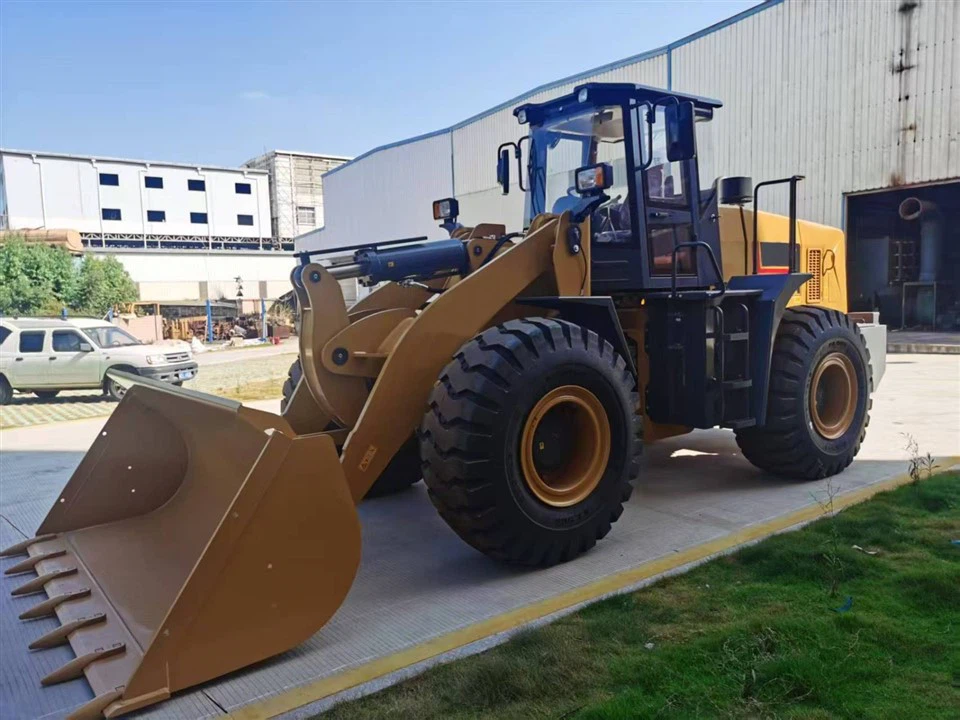
Mid - sized wheel loaders, like our 3 - ton model, typically have a maximum lifting height ranging from 3.5 to 4.5 meters. This height is suitable for most common construction and loading tasks, such as loading materials onto standard - sized trucks.
Large - sized wheel loaders, with a capacity of 5 tons or more, can achieve maximum lifting heights of 4.5 meters or higher. Some heavy - duty models used in large - scale mining operations can even lift materials to heights of over 6 meters.
Importance of Knowing the Maximum Lifting Height
Understanding the maximum lifting height of a wheel loader is crucial for several reasons.
1. Project Planning
When planning a construction or mining project, it is essential to know the height requirements for loading and unloading materials. By choosing a wheel loader with the appropriate maximum lifting height, project managers can ensure that materials can be efficiently transferred to the required locations. This can help to streamline the construction process and reduce downtime.
2. Safety
Operating a wheel loader beyond its maximum lifting height can be extremely dangerous. It can cause the machine to become unstable, leading to a risk of tipping over. By knowing the maximum lifting height, operators can avoid overloading the machine and ensure safe operation.
3. Efficiency
Using a wheel loader with the right maximum lifting height can improve the overall efficiency of the operation. If the lifting height is too low, it may require multiple loading cycles or additional equipment to transfer materials to the desired height. On the other hand, using a wheel loader with an excessive lifting height for a task that doesn't require it can be wasteful in terms of fuel and machine wear.
How We Ensure Optimal Lifting Performance
As a wheel loader supplier, we are committed to providing our customers with machines that offer the best possible lifting performance.
We conduct extensive research and development to continuously improve the design of our wheel loaders. Our engineers use advanced computer - aided design (CAD) software to optimize the hydraulic system, the frame structure, and the bucket design.
We also source the highest - quality components from trusted suppliers. This ensures that our wheel loaders are built to last and can perform at their best under various working conditions.
Conclusion
In conclusion, the maximum height a wheel loader can lift materials depends on multiple factors, including machine design, hydraulic system capacity, and bucket design. By understanding these factors, customers can make informed decisions when choosing a wheel loader for their specific needs.
If you are in the market for a wheel loader and need to ensure that it can meet your lifting height requirements, we are here to help. Our range of wheel loaders, including the Wheel Loader Diesel Loader 3 Ton and Front Loader 4x4 Diesel Wheel Loader 5 Ton, offers a variety of options to suit different applications.
We encourage you to contact us for more information and to discuss your specific requirements. Our team of experts is ready to assist you in finding the perfect wheel loader for your project. Whether you are a small - scale contractor or a large - scale mining company, we have the right solution for you.
References
- Construction Equipment Handbook, various editions
- Industry reports on heavy - equipment performance and specifications


