As a supplier of Cummins engines, I often get asked about the lifespan of these powerful machines. Cummins engines are renowned for their durability, reliability, and performance, but understanding their lifespan requires a deeper look into various factors. In this blog post, I'll explore the key elements that influence the lifespan of a Cummins engine and provide some insights based on my experience in the industry.
Factors Affecting the Lifespan of a Cummins Engine
1. Maintenance
One of the most critical factors in determining the lifespan of a Cummins engine is maintenance. Regular maintenance, including oil changes, filter replacements, and tune - ups, can significantly extend the engine's life. Cummins engines are designed to operate under demanding conditions, but they still require proper care. For example, changing the oil at the recommended intervals helps to keep the engine lubricated and reduces wear on internal components. Using high - quality filters ensures that contaminants are removed from the engine, preventing damage to sensitive parts.
2. Operating Conditions
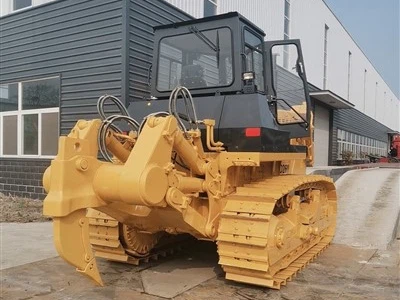
The conditions under which a Cummins engine operates play a crucial role in its lifespan. Engines used in heavy - duty applications, such as long - haul trucking or construction, are subject to more stress than those used in light - duty applications. High - temperature environments, dusty conditions, and frequent stop - and - go operations can all take a toll on the engine. For instance, in a construction site, the engine may be exposed to a lot of dirt and debris, which can clog the air filters and reduce engine efficiency. On the other hand, engines used in stationary power generation may have a more stable operating environment, which can contribute to a longer lifespan.
3. Quality of Fuel and Lubricants
The quality of fuel and lubricants used in a Cummins engine is also important. Low - quality fuel can contain impurities that can damage the fuel injectors and other engine components. Similarly, using the wrong type of lubricant or lubricant that has degraded over time can lead to increased friction and wear. Cummins recommends using high - quality fuel and lubricants that meet their specifications to ensure optimal engine performance and longevity.
4. Engine Model and Design
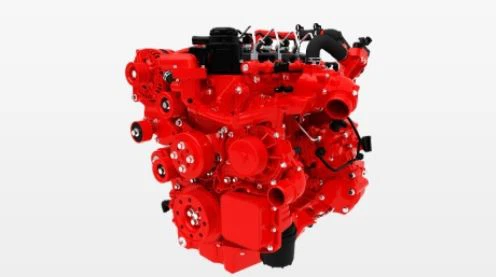
Different Cummins engine models have different lifespans based on their design and intended use. For example, smaller engines like the Cummins F2.8 36kW 49hp are often used in light - duty applications and may have a different lifespan compared to larger engines like the Cummins L9 162kW 217hp or the Cummins M15 308kW 420hp. Larger engines are typically built to handle more power and stress, which can sometimes result in a longer lifespan if properly maintained.
Typical Lifespan of Cummins Engines
On average, a well - maintained Cummins engine can last anywhere from 300,000 to 500,000 miles in a trucking application. In stationary power generation, the engine can operate for 20,000 to 30,000 hours before major overhauls are required. However, these are just general estimates, and the actual lifespan can vary depending on the factors mentioned above.
For example, a Cummins engine used in a long - haul truck that is regularly maintained and operates under relatively mild conditions may reach the upper end of the mileage range. On the other hand, an engine used in a more demanding application, such as a mining truck, may require more frequent maintenance and have a shorter lifespan.
Extending the Lifespan of a Cummins Engine
If you want to extend the lifespan of your Cummins engine, here are some tips:
1. Follow the Maintenance Schedule
Adhere to the maintenance schedule recommended by Cummins. This includes regular oil and filter changes, as well as inspections of belts, hoses, and other components. By following the schedule, you can catch potential problems early and prevent them from becoming major issues.
2. Use High - Quality Parts
When replacing parts, always use genuine Cummins parts or high - quality aftermarket parts that meet Cummins specifications. Using sub - standard parts can lead to premature engine failure.
3. Monitor Engine Performance
Keep an eye on the engine's performance, including temperature, oil pressure, and fuel consumption. Any sudden changes in these parameters could indicate a problem. If you notice any issues, have the engine inspected by a qualified technician as soon as possible.
4. Train Operators
If the engine is used in a commercial setting, ensure that operators are properly trained. They should understand how to operate the engine correctly, including starting, stopping, and idling procedures. Proper operation can reduce wear and tear on the engine.

Conclusion
In conclusion, the lifespan of a Cummins engine is influenced by multiple factors, including maintenance, operating conditions, fuel and lubricant quality, and engine model. With proper care and maintenance, these engines can provide reliable service for many years. As a Cummins engine supplier, I am committed to helping our customers get the most out of their engines. If you are in the market for a Cummins engine or need advice on engine maintenance, don't hesitate to reach out to us. We are here to assist you in making the right choices for your specific needs.
References
- Cummins Engine User Manuals
- Industry reports on engine durability and maintenance
- Personal experience in the Cummins engine supply industry