

Hey there! As a supplier of Cummins engines, I often get asked about the engine displacement of different Cummins engine models. It's a pretty important factor when you're looking to choose the right engine for your needs. So, let's dive right in and take a closer look at some of the popular Cummins engine models and their displacements.
First off, let's talk about the Cummins M15 308kW 420hp. This bad boy is a heavy - duty engine that's built to handle some serious workloads. The engine displacement of the Cummins M15 is around 15 liters. That's a pretty big displacement, and it means the engine can generate a whole lot of power. With 308kW (or 420hp), it's suitable for applications like large trucks, construction equipment, and power generation. The large displacement allows for more air and fuel to be burned in each cycle, which in turn produces more power.
Now, let's move on to the smaller engines. The Cummins F2.8 36kW 49hp has an engine displacement of 2.8 liters. This is a much more compact engine, and it's great for applications where space is limited or where you don't need a huge amount of power. You might find this engine in small commercial vehicles, light - duty equipment, or even some small generators. Despite its small size, it still packs a punch with 36kW (49hp) of power.
Another popular model is the Cummins F4.5 74kW 99hp. This engine has a displacement of 4.5 liters. It's a bit larger than the F2.8, but still relatively compact compared to the M15. The 4.5 - liter displacement gives it a good balance between power and fuel efficiency. It can be used in medium - duty trucks, buses, and some industrial applications. With 74kW (99hp), it can handle a decent amount of work without guzzling too much fuel.
So, why does engine displacement matter? Well, in general, a larger displacement engine can produce more power because it can burn more air and fuel in each cycle. However, it also tends to use more fuel. On the other hand, a smaller displacement engine is more fuel - efficient but may not have as much power. When you're choosing an engine, you need to consider your specific requirements. If you're hauling heavy loads or need a lot of power for a large piece of equipment, a larger displacement engine like the M15 might be the way to go. But if you're looking for something more fuel - efficient and don't need a ton of power, the F2.8 or F4.5 could be a better choice.
It's also important to note that engine displacement isn't the only factor that determines an engine's performance. Other things like the engine's design, the type of fuel injection system, and the turbocharging can also have a big impact on how well the engine performs. For example, a turbocharged engine can produce more power than a naturally - aspirated engine of the same displacement.
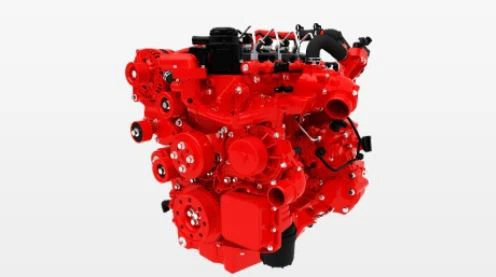

As a Cummins engine supplier, I've seen firsthand how important it is to choose the right engine for your application. Whether you're in the transportation industry, construction, or power generation, having the right engine can make a huge difference in your operations. If you're not sure which engine is right for you, don't hesitate to reach out. We have a team of experts who can help you figure out the best engine based on your specific needs.
If you're interested in purchasing a Cummins engine, or if you just want to learn more about our products, feel free to get in touch. We're here to answer all your questions and help you make the best decision for your business. Whether you need a small, fuel - efficient engine or a large, powerful one, we've got you covered.
So, that's a quick overview of the engine displacement of different Cummins engine models. I hope this information has been helpful to you. If you have any more questions, drop me a line, and I'll do my best to answer them.
References:
- Cummins official product documentation
- Industry reports on engine performance and specifications


