

The braking system of a long arm excavator is a crucial component that ensures the safety and efficiency of its operations. As a long - arm excavator supplier, I am well - versed in the intricacies of these systems and am eager to share this knowledge with you.
Understanding the Long Arm Excavator
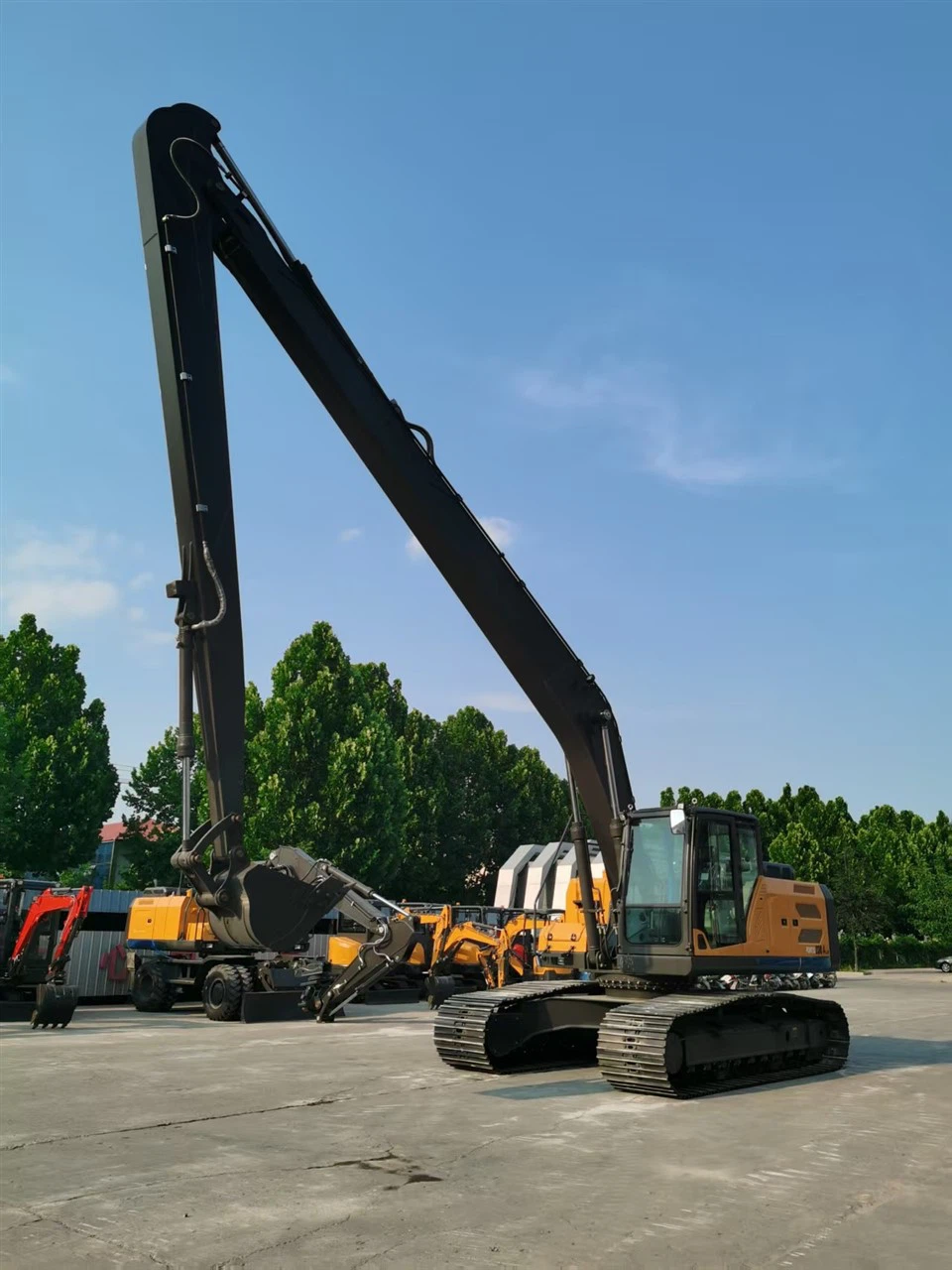
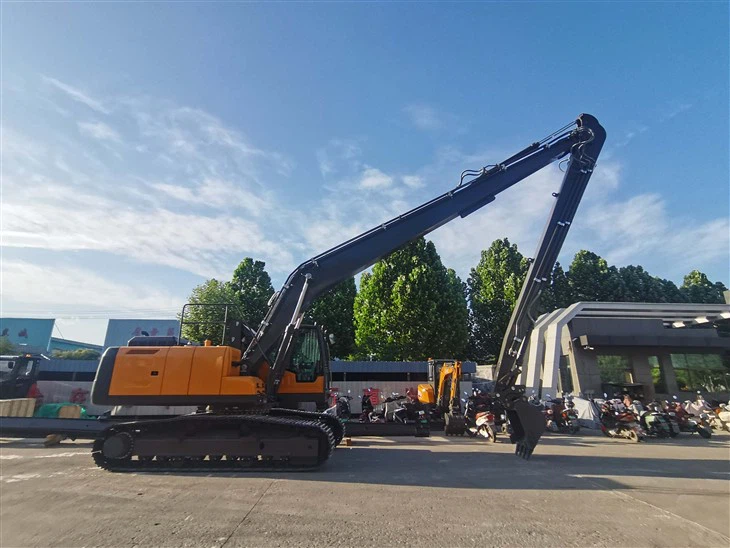
Before delving into the braking system, it's essential to understand what a Long Arm Excavator is. A long arm excavator is a specialized piece of heavy equipment designed for tasks that require extended reach. It is commonly used in construction, mining, and environmental projects where standard excavators may not be able to access certain areas. The long arm allows for operations in deep trenches, large bodies of water, and high - elevation areas.
The Importance of Braking Systems in Long Arm Excavators
The braking system in a long arm excavator serves multiple vital functions. First and foremost, it provides safety during operation. When the excavator is moving, the brakes are used to slow down or stop the machine, preventing collisions and accidents. In addition, the braking system is essential for holding the machine in place when it is stationary, especially on slopes. This ensures that the excavator remains stable during tasks such as digging, lifting, and material handling.
Types of Braking Systems in Long Arm Excavators
Hydraulic Brakes
Hydraulic brakes are one of the most common types of braking systems used in long arm excavators. These brakes use hydraulic pressure to generate the force needed to stop the machine. When the operator presses the brake pedal, hydraulic fluid is forced into the brake cylinders, which then push the brake pads against the brake discs or drums. This creates friction, which slows down or stops the rotation of the wheels or tracks.
The advantage of hydraulic brakes is their high stopping power. They can quickly bring the heavy - duty long arm excavator to a halt, even when it is moving at a relatively high speed. Additionally, hydraulic brakes are reliable and require less maintenance compared to some other types of braking systems. However, they do require a well - maintained hydraulic system, and any leaks or malfunctions in the hydraulic lines can affect the braking performance.
Spring - Applied, Hydraulic - Released (SAHR) Brakes
SAHR brakes are another type of braking system commonly found in long arm excavators. These brakes are designed to be fail - safe. In normal operation, hydraulic pressure is used to release the brakes, allowing the machine to move. When the hydraulic pressure is lost, such as in the event of a hydraulic system failure, the springs apply the brakes automatically.
This type of braking system provides an extra layer of safety. For example, if there is a sudden loss of hydraulic pressure while the excavator is on a slope, the SAHR brakes will engage, preventing the machine from rolling down. SAHR brakes are also useful for parking the excavator, as they can hold the machine in place without the need for continuous hydraulic pressure.
Electric Brakes
Electric brakes are becoming increasingly popular in modern long arm excavators. These brakes use an electric current to generate the braking force. When the operator activates the brakes, an electric signal is sent to the brake actuators, which then apply the brakes.
Electric brakes offer several advantages. They are more precise than hydraulic brakes, allowing for better control of the braking force. They also respond quickly, which is important for safety. Additionally, electric brakes are more energy - efficient and can be integrated with the excavator's electronic control system, enabling advanced features such as anti - lock braking and traction control.
Components of the Braking System
The braking system of a long arm excavator consists of several key components:
Brake Pedal
The brake pedal is the interface between the operator and the braking system. When the operator presses the brake pedal, it activates the braking mechanism. The design of the brake pedal is crucial for comfortable and efficient operation. It should have a proper feel and resistance, allowing the operator to control the braking force accurately.
Master Cylinder
In hydraulic braking systems, the master cylinder plays a vital role. It converts the mechanical force applied to the brake pedal into hydraulic pressure. The master cylinder contains a piston that moves when the brake pedal is pressed, forcing hydraulic fluid into the brake lines.
Brake Lines
Brake lines are responsible for transmitting the hydraulic fluid from the master cylinder to the brake cylinders. These lines need to be strong and leak - proof to ensure the proper functioning of the braking system. They are typically made of high - strength materials such as steel or reinforced rubber.
Brake Cylinders
Brake cylinders are located at each wheel or track of the excavator. When hydraulic fluid is forced into the brake cylinders, they expand, pushing the brake pads against the brake discs or drums. The size and design of the brake cylinders are determined by the braking requirements of the excavator.
Brake Pads and Discs/Drums
Brake pads are the components that come into contact with the brake discs or drums to create friction. They are made of high - friction materials that can withstand the heat and wear generated during braking. Brake discs are used in disc braking systems, while brake drums are used in drum braking systems. The choice between disc and drum brakes depends on factors such as the size and weight of the excavator, as well as the operating conditions.
Maintenance of the Braking System
Proper maintenance of the braking system is essential for the safety and performance of the long arm excavator. Regular inspections should be carried out to check for signs of wear and tear, such as worn brake pads, leaking brake lines, or damaged brake cylinders.
The brake fluid level should be checked regularly and topped up if necessary. Old or contaminated brake fluid should be replaced to ensure optimal braking performance. Additionally, the brake pads should be replaced when they reach the minimum thickness specified by the manufacturer.
The Role of the Braking System in Different Operations
In digging operations, the braking system is used to hold the excavator in place while the operator is using the long arm to dig. This ensures that the machine remains stable and that the digging process is accurate. When the excavator needs to move to a new location, the brakes are released, and the machine can be driven to the desired position.
During lifting operations, the braking system is crucial for maintaining the stability of the excavator. When the long arm is used to lift heavy objects, the brakes prevent the machine from tipping over. This is especially important when the excavator is operating on uneven terrain or slopes.
Conclusion
The braking system of a long arm excavator is a complex and essential part of the machine. It provides safety, stability, and control during operation. As a long - arm excavator supplier, we understand the importance of a reliable braking system and ensure that our products are equipped with high - quality braking components.
If you are in the market for a long arm excavator, or if you have any questions about the braking system or other aspects of our products, we invite you to contact us for a detailed discussion. Our team of experts is ready to assist you in finding the right long arm excavator for your specific needs.
References
- Smith, J. (2018). Heavy Equipment Braking Systems. Machinery Publishing.
- Brown, A. (2019). Hydraulic and Electric Brakes in Construction Equipment. Engineering Journal.


