

What are the operating costs of specialized equipment?
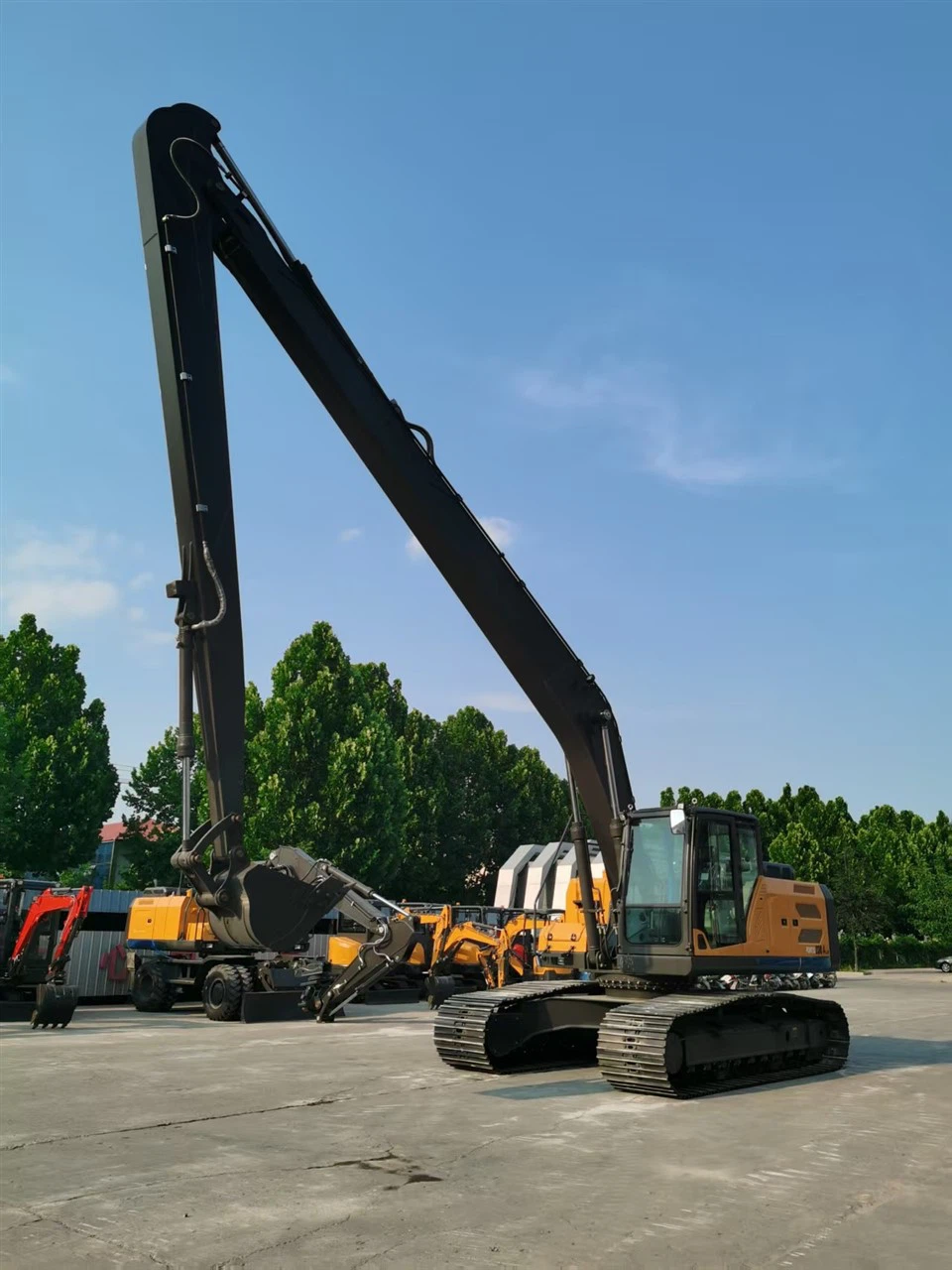
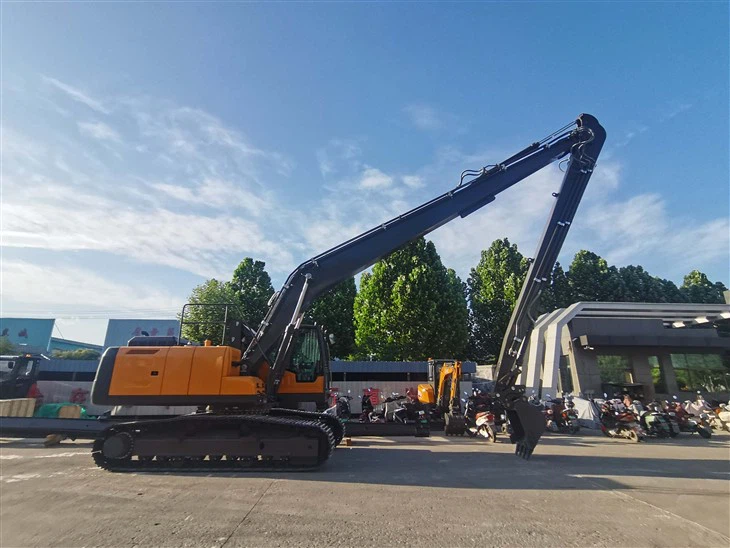
As a specialized equipment supplier, I've witnessed firsthand the significance of understanding the operating costs associated with specialized machinery. Specialized equipment, designed for specific tasks, often comes with unique cost structures that can significantly impact a project's budget and profitability. In this blog, I'll delve into the various operating costs of specialized equipment, using the Long Arm Excavator as an example to illustrate these concepts.
1. Purchase or Leasing Costs
The initial investment in specialized equipment is a substantial cost. Whether you choose to purchase or lease, this decision sets the financial foundation for your equipment usage. Buying specialized equipment provides long - term ownership and potential equity, but it requires a large upfront capital outlay. For instance, a high - end long - arm excavator can cost hundreds of thousands of dollars.
On the other hand, leasing offers more flexibility, lower initial costs, and the ability to upgrade to newer models more frequently. Leasing payments are typically spread over a period, which can ease the financial burden on businesses, especially those with limited cash flow. However, over the long term, leasing may end up being more expensive than purchasing.
2. Fuel Costs
Fuel is one of the most significant ongoing operating costs for specialized equipment. The power requirements of specialized machinery like long - arm excavators are high, and they consume a considerable amount of fuel. The fuel consumption rate depends on several factors, including the equipment's engine size, the nature of the work (heavy - duty digging vs. light - duty grading), and the operator's skill level.
For example, a long - arm excavator used for continuous deep - digging operations will consume more fuel compared to one used for surface - level trenching. Additionally, fluctuations in fuel prices can have a direct impact on the overall operating costs. To manage fuel costs, businesses can invest in fuel - efficient models, train operators to optimize fuel usage, and monitor fuel consumption regularly.
3. Maintenance and Repair Costs
Regular maintenance is essential to keep specialized equipment in optimal working condition and prevent costly breakdowns. Maintenance tasks include oil changes, filter replacements, tire rotations (if applicable), and inspections of hydraulic systems, engines, and other critical components.
For a long - arm excavator, the hydraulic system is particularly crucial and requires frequent checks and servicing. Any hydraulic leaks or malfunctions can lead to reduced efficiency and potential damage to other parts of the equipment. Repair costs can also be significant, especially if major components such as the engine or the boom need to be replaced.
To minimize maintenance and repair costs, it's advisable to follow the manufacturer's recommended maintenance schedule, use high - quality replacement parts, and have a skilled maintenance team or technician on standby.
4. Operator Costs
Skilled operators are a valuable asset when it comes to operating specialized equipment. Hiring and training operators can be expensive, but it's a necessary investment. An experienced operator can not only ensure the safe and efficient operation of the equipment but also reduce fuel consumption and minimize wear and tear on the machinery.
Operator costs include wages, benefits, and training expenses. Training programs for specialized equipment like long - arm excavators need to cover safety procedures, equipment operation techniques, and troubleshooting skills. Additionally, turnover among operators can lead to additional costs associated with recruitment and retraining.
5. Insurance Costs
Insuring specialized equipment is a must to protect against potential risks such as theft, damage, and liability claims. Insurance premiums for specialized equipment are typically higher than those for general - purpose machinery due to the higher value and the specific risks associated with their use.
Factors that influence insurance costs include the equipment's value, its age, the type of work it will be used for, and the location of operation. For example, a long - arm excavator used in a high - risk construction site in an urban area may have higher insurance premiums compared to one used in a rural, low - traffic location.
6. Depreciation
Depreciation is an often - overlooked but significant operating cost. Specialized equipment loses value over time due to wear and tear, technological advancements, and market factors. The rate of depreciation can vary depending on the type of equipment and how it is used.
For a long - arm excavator, the initial depreciation can be quite steep in the first few years of use. Understanding the depreciation rate is important for financial planning, as it affects the equipment's resale value and the overall return on investment.
7. Storage and Transportation Costs
Storing specialized equipment when it's not in use also incurs costs. Adequate storage facilities are needed to protect the equipment from the elements, theft, and vandalism. For large equipment like long - arm excavators, outdoor storage may require a secure yard with proper fencing and surveillance.
Transportation costs are another consideration, especially if the equipment needs to be moved between job sites. Specialized trailers and transportation services may be required, and the cost depends on the distance, the size and weight of the equipment, and any special handling requirements.
In conclusion, understanding the operating costs of specialized equipment is crucial for businesses to make informed decisions about equipment acquisition, usage, and maintenance. By carefully considering each of these cost factors, companies can better manage their budgets, improve profitability, and ensure the long - term success of their projects.
If you're in the market for specialized equipment and want to learn more about how to manage these operating costs effectively, or if you're interested in exploring our range of high - quality equipment, including the Long Arm Excavator, I encourage you to reach out for a detailed discussion. Our team of experts is ready to assist you in finding the right equipment solutions for your specific needs and budget. Contact us today to start the conversation.
References
- Construction Equipment Magazine. (Year). Operating Costs of Specialized Machinery.
- Manufacturer's Manual for Long - Arm Excavators.
- Industry Reports on Specialized Equipment Economics.


