

Hey there! As a supplier of specialized equipment, I've seen firsthand how crucial corrosion resistance is for these machines. Specialized equipment is often used in harsh environments, where it's exposed to all sorts of elements that can cause corrosion. In this blog post, I'll share some insights into the corrosion resistance properties of specialized equipment and why it matters.
What is Corrosion?
Before we dive into the corrosion resistance properties of specialized equipment, let's first understand what corrosion is. Corrosion is a natural process that occurs when a metal reacts with its environment. This reaction can cause the metal to deteriorate, weaken, and eventually fail. There are several types of corrosion, including uniform corrosion, pitting corrosion, crevice corrosion, and stress corrosion cracking.
Why is Corrosion Resistance Important for Specialized Equipment?
Specialized equipment is designed to perform specific tasks in challenging environments. Whether it's used in construction, mining, agriculture, or any other industry, this equipment needs to be able to withstand the elements and resist corrosion. Here are some reasons why corrosion resistance is important for specialized equipment:
- Durability: Corrosion can significantly reduce the lifespan of specialized equipment. By choosing equipment with good corrosion resistance, you can ensure that it lasts longer and performs better over time.
- Safety: Corroded equipment can pose a safety risk to operators and workers. For example, a corroded structure may be more likely to fail, leading to accidents and injuries. By using corrosion-resistant equipment, you can minimize these risks and ensure a safer work environment.
- Cost savings: Replacing corroded equipment can be expensive. By investing in corrosion-resistant equipment upfront, you can save money in the long run by reducing the need for frequent repairs and replacements.
Corrosion Resistance Properties of Specialized Equipment
Now that we understand why corrosion resistance is important, let's take a look at some of the corrosion resistance properties of specialized equipment.
- Material Selection: The choice of materials plays a crucial role in the corrosion resistance of specialized equipment. Some materials, such as stainless steel, aluminum, and titanium, are naturally more resistant to corrosion than others. When selecting equipment, it's important to choose materials that are suitable for the specific environment in which the equipment will be used.
- Coatings and Finishes: Applying coatings and finishes to specialized equipment can provide an additional layer of protection against corrosion. There are several types of coatings available, including paint, powder coating, and galvanizing. These coatings can help to prevent the metal from coming into contact with the environment and reduce the risk of corrosion.
- Design and Construction: The design and construction of specialized equipment can also affect its corrosion resistance. For example, equipment with smooth surfaces and minimal crevices is less likely to accumulate moisture and debris, which can lead to corrosion. Additionally, proper drainage and ventilation can help to prevent the buildup of moisture and reduce the risk of corrosion.
- Maintenance and Inspection: Regular maintenance and inspection are essential for ensuring the corrosion resistance of specialized equipment. This includes cleaning the equipment regularly, checking for signs of corrosion, and performing any necessary repairs or replacements. By staying on top of maintenance and inspection, you can catch corrosion early and prevent it from causing significant damage.
Examples of Specialized Equipment with Good Corrosion Resistance
Here are some examples of specialized equipment that are known for their good corrosion resistance:
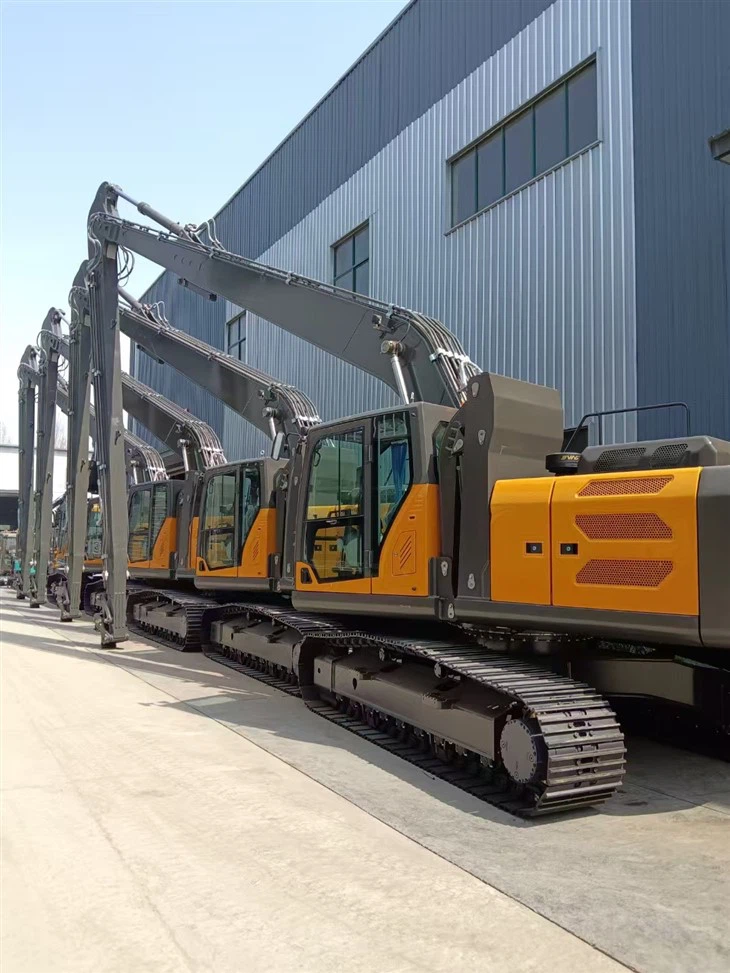
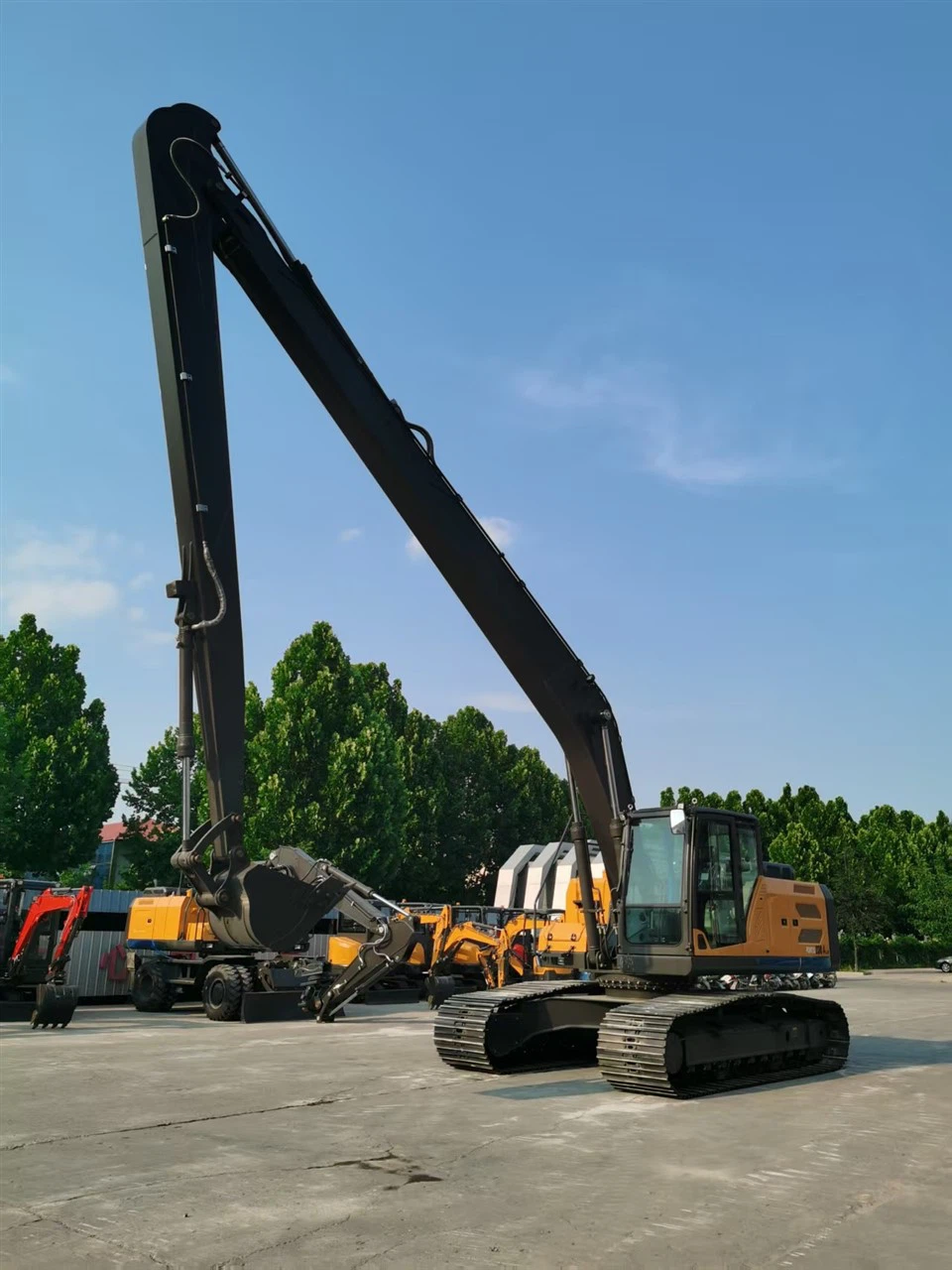
- Long Arm Excavator: Long arm excavators are often used in construction and mining applications, where they are exposed to harsh environments. These excavators are typically made from high-strength steel and are coated with a corrosion-resistant paint or powder coating to protect them from the elements.
- Agricultural Equipment: Agricultural equipment, such as tractors, combines, and sprayers, is often exposed to moisture, chemicals, and other corrosive substances. To ensure the longevity of this equipment, manufacturers use materials and coatings that are resistant to corrosion.
- Marine Equipment: Marine equipment, such as boats, ships, and offshore platforms, is constantly exposed to saltwater, which can cause corrosion. To prevent corrosion, marine equipment is typically made from materials such as stainless steel, aluminum, and fiberglass, and is coated with a corrosion-resistant paint or epoxy.
How to Choose the Right Specialized Equipment for Your Needs
When choosing specialized equipment, it's important to consider the specific requirements of your application. Here are some factors to consider:
- Environment: The environment in which the equipment will be used is one of the most important factors to consider. If the equipment will be exposed to harsh conditions, such as saltwater, chemicals, or extreme temperatures, you'll need to choose equipment that is designed to withstand these conditions.
- Performance: The performance of the equipment is also important. You'll need to choose equipment that is capable of performing the tasks you need it to do efficiently and effectively.
- Cost: The cost of the equipment is another important factor to consider. While it's important to choose high-quality equipment, you'll also need to stay within your budget.
- Maintenance and Support: Finally, you'll need to consider the maintenance and support requirements of the equipment. Make sure you choose equipment that is easy to maintain and that comes with a good warranty and support from the manufacturer.
Conclusion
In conclusion, corrosion resistance is a crucial property of specialized equipment. By choosing equipment with good corrosion resistance, you can ensure that it lasts longer, performs better, and is safer to use. When selecting equipment, it's important to consider the specific requirements of your application, including the environment, performance, cost, and maintenance and support requirements. If you have any questions or need help choosing the right specialized equipment for your needs, please don't hesitate to contact us. We're here to help you find the best equipment for your business.
References
- ASM Handbook, Volume 13A: Corrosion: Fundamentals, Testing, and Protection
- NACE International: Corrosion Prevention and Control
- ASTM International: Standards for Corrosion Testing and Evaluation


