

Hey there! As a supplier of specialized equipment, I often get asked about the braking and stopping capabilities of our gear. It's a crucial aspect, especially when you're dealing with heavy - duty machinery that needs to operate safely and efficiently. So, let's dive right in and explore what makes our specialized moving equipment stand out in terms of braking and stopping.
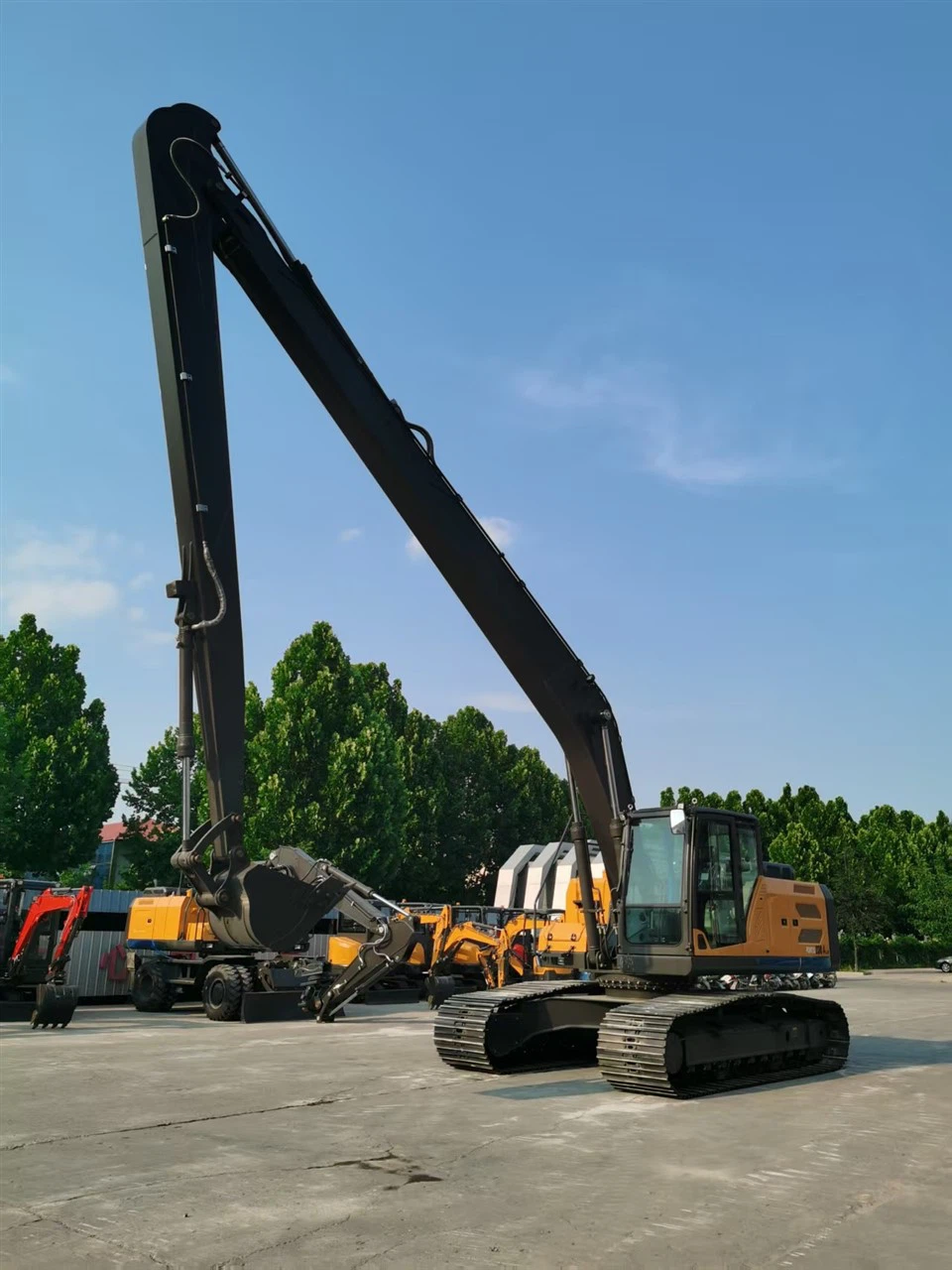
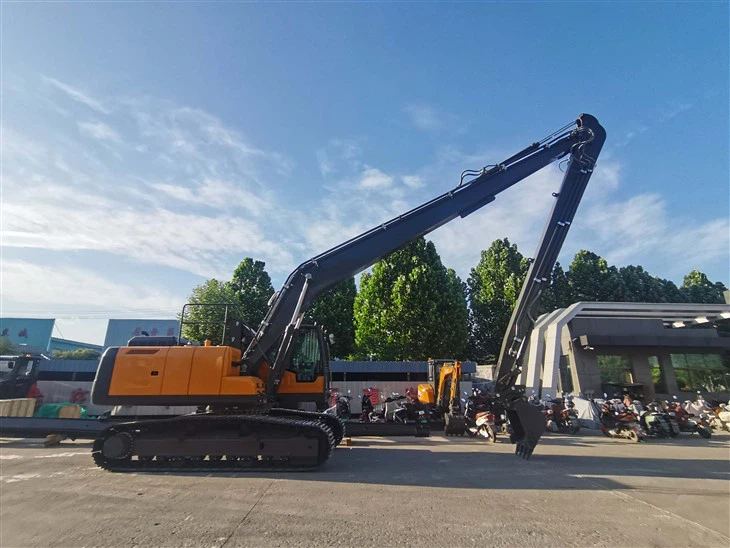
First off, it's important to understand why good braking and stopping capabilities are so vital. In the world of specialized equipment, we're talking about big, powerful machines. Whether it's a Long Arm Excavator digging deep into the earth or a large - scale forklift moving heavy pallets, these machines need to be able to stop on a dime. A malfunctioning brake system can lead to accidents, damage to the equipment, and even endanger the lives of operators and those around them.
One of the key factors in our equipment's braking performance is the type of brake system used. We use a variety of brake technologies, depending on the specific equipment and its intended use. For example, in some of our smaller, more agile machines, we might opt for disc brakes. Disc brakes are known for their quick response time and high - friction capabilities. They work by using calipers to squeeze a rotor, which creates the friction needed to slow down or stop the machine. This type of brake is great for applications where precision and rapid stopping are required.
On the other hand, for our larger, heavier equipment, we often rely on drum brakes. Drum brakes are more suitable for heavy - duty use because they can handle a lot of heat and stress. They work by expanding brake shoes against the inside of a drum, creating friction. The design of drum brakes allows them to distribute the braking force evenly, which is essential when dealing with the massive weight of our specialized equipment.
Another important aspect of our braking systems is the hydraulic component. Hydraulic brakes are commonly used in our equipment because they offer a high level of control and power. The hydraulic system uses fluid to transfer force from the brake pedal or lever to the brake components. This means that even with a relatively small amount of effort from the operator, a large amount of braking force can be generated. Plus, hydraulic brakes are less likely to experience fade under heavy use, which is a big advantage in demanding work environments.
We also pay close attention to the maintenance and durability of our brake systems. We understand that our customers rely on our equipment day in and day out, so we build our brakes to last. We use high - quality materials and advanced manufacturing techniques to ensure that our brakes can withstand the rigors of continuous use. Regular maintenance is also key, and we provide detailed maintenance guides and support to our customers to keep their equipment in top - notch condition.
Now, let's talk about the stopping distance of our specialized moving equipment. Stopping distance is influenced by several factors, including the speed of the machine, its weight, and the condition of the braking system. Our engineers work hard to optimize these factors to ensure that our equipment can stop safely and efficiently. For example, we use advanced computer simulations to model different scenarios and determine the ideal braking force and stopping distance for each piece of equipment.
In addition to the mechanical aspects of braking, we also incorporate electronic systems into our equipment to enhance safety. Many of our machines are equipped with anti - lock braking systems (ABS). ABS prevents the wheels from locking up during braking, which helps to maintain steering control and reduce the risk of skidding. This is especially important in situations where the terrain is uneven or slippery.
Another electronic safety feature we often include is the automatic emergency braking system. This system uses sensors to detect potential collisions and automatically applies the brakes if necessary. It's like having an extra set of eyes on the road, helping to prevent accidents and protect both the operator and the equipment.
We also understand that different industries have different requirements when it comes to braking and stopping capabilities. For example, in the construction industry, where equipment often operates in tight spaces and around workers, quick and precise stopping is essential. In the mining industry, on the other hand, the equipment needs to be able to handle heavy loads and long - distance travel, so durability and reliability of the braking system are key.
As a specialized equipment supplier, we're constantly innovating and improving our braking and stopping technologies. We keep an eye on the latest industry trends and research to ensure that our equipment meets the highest standards of safety and performance. We also work closely with our customers to understand their specific needs and develop customized solutions.
If you're in the market for specialized equipment and are concerned about braking and stopping capabilities, don't hesitate to reach out. We're here to answer all your questions and help you find the right equipment for your needs. Whether you're looking for a Long Arm Excavator or any other type of specialized machinery, we've got you covered.
Contact us today to start the conversation about your equipment needs. We're excited to work with you and provide you with top - quality specialized equipment that you can rely on.
References:
- Industry standards and best practices for specialized equipment braking systems
- Research on the latest braking technologies and safety features in heavy - duty machinery


