

Troubleshooting specialized equipment is a critical skill for any supplier in the industry. As a specialized equipment supplier, I've encountered a wide range of issues with various types of machinery. In this blog post, I'll share some general guidelines and specific tips on how to troubleshoot specialized equipment effectively.
Understanding the Equipment
Before you can troubleshoot any specialized equipment, you need to have a solid understanding of how it works. This includes knowing its components, their functions, and how they interact with each other. Familiarize yourself with the equipment's user manual, technical specifications, and maintenance guides. These resources can provide valuable information about the normal operation of the equipment and common issues that may arise.
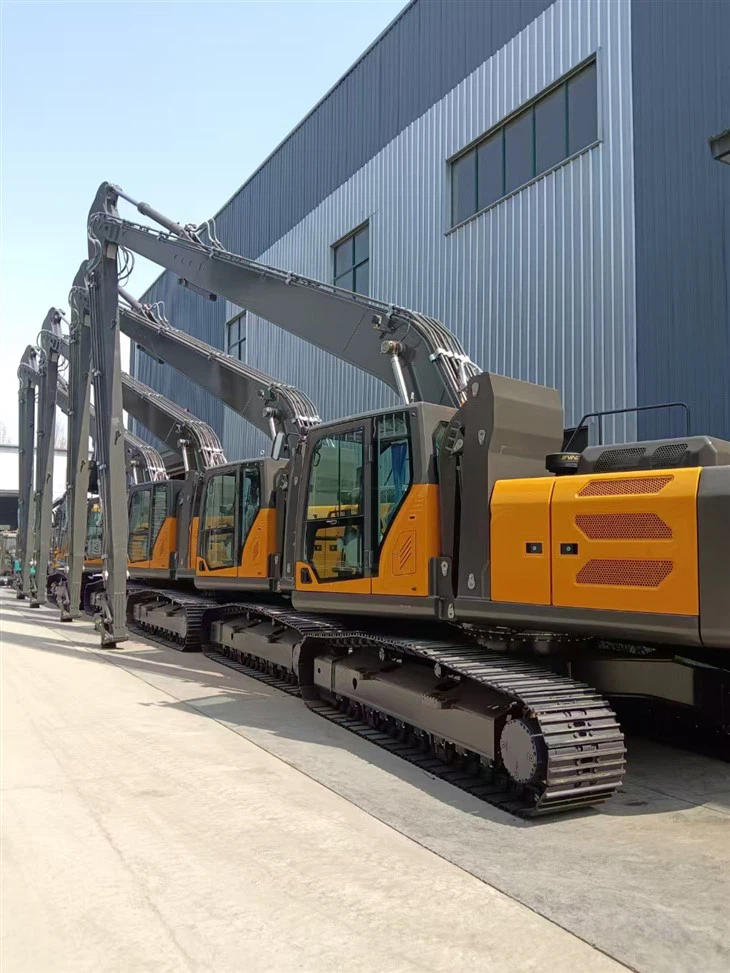
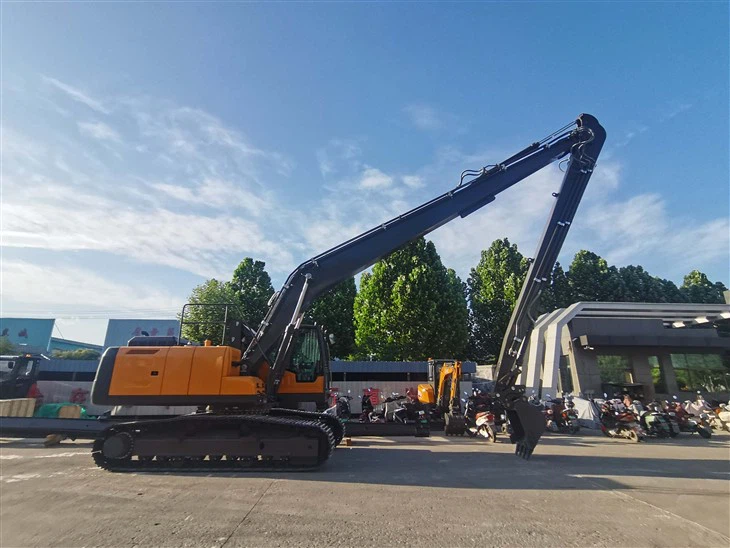
For example, if you're dealing with a Long Arm Excavator, you should know the function of the hydraulic system, the boom and arm assembly, and the control mechanisms. Understanding how these components work together will help you identify the source of any problems.
Initial Assessment
When a problem occurs with specialized equipment, the first step is to conduct an initial assessment. This involves gathering information from the operator or user of the equipment. Ask them about the symptoms they've noticed, such as unusual noises, vibrations, or performance issues. Find out when the problem started and if there were any recent changes or events that could have contributed to it.
Inspect the equipment visually for any obvious signs of damage, such as leaks, loose connections, or worn parts. Check the fluid levels, including hydraulic fluid, engine oil, and coolant. Low fluid levels can often cause problems with the equipment's performance.
Isolating the Problem
Once you've gathered the necessary information and conducted a visual inspection, the next step is to isolate the problem. This involves narrowing down the possible causes of the issue. You can do this by using a systematic approach, such as the process of elimination.
Start by checking the simplest and most common causes of the problem. For example, if the equipment is not starting, check the battery connections, the fuel supply, and the ignition system. If these components are functioning properly, move on to more complex systems.
Use diagnostic tools and equipment to help you identify the problem. Many specialized equipment manufacturers provide diagnostic software or tools that can be used to troubleshoot the equipment. These tools can provide detailed information about the equipment's performance and help you identify any faults or errors.
Repairing or Replacing Components
Once you've identified the problem, the next step is to repair or replace the faulty components. This may involve disassembling the equipment to access the damaged parts. Make sure you follow the manufacturer's instructions and safety procedures when performing any repairs or replacements.
If you're not familiar with the repair process, it's often a good idea to consult a professional technician or mechanic. They have the experience and expertise to perform the repairs safely and effectively.
Testing the Equipment
After you've repaired or replaced the faulty components, the final step is to test the equipment to make sure it's working properly. This involves running the equipment under normal operating conditions and checking its performance.
Check for any remaining issues or symptoms. If the equipment is still not working properly, you may need to repeat the troubleshooting process to identify and fix any additional problems.
Preventive Maintenance
In addition to troubleshooting and repairing specialized equipment, it's also important to implement a preventive maintenance program. This involves regularly inspecting, cleaning, and servicing the equipment to prevent problems from occurring in the first place.
Follow the manufacturer's recommended maintenance schedule and procedures. This may include changing the oil and filters, lubricating the moving parts, and inspecting the equipment for any signs of wear or damage.
By implementing a preventive maintenance program, you can extend the life of the equipment, improve its performance, and reduce the risk of breakdowns and costly repairs.
Conclusion
Troubleshooting specialized equipment requires a combination of knowledge, skills, and experience. By following the steps outlined in this blog post, you can effectively troubleshoot and repair specialized equipment. Remember to always follow the manufacturer's instructions and safety procedures when performing any repairs or maintenance.
If you're in the market for specialized equipment or need assistance with troubleshooting and repairing your existing equipment, please don't hesitate to contact us. We're a leading supplier of specialized equipment and have a team of experienced technicians who can provide you with the support and expertise you need.
References
- Manufacturer's user manuals and technical specifications
- Diagnostic tools and equipment provided by the manufacturer
- Industry publications and resources on specialized equipment troubleshooting and maintenance


