

Transporting a crawler excavator is a complex and crucial process that requires careful planning, proper equipment, and strict adherence to safety regulations. As a crawler excavator supplier, I understand the importance of ensuring that these powerful machines reach their destination safely and efficiently. In this blog post, I will share some essential tips and guidelines on how to transport a crawler excavator.
Pre - transport Preparation
1. Inspection of the Excavator
Before transporting a crawler excavator, it is necessary to conduct a comprehensive inspection. First, check the hydraulic system for any leaks. Hydraulic fluid is essential for the operation of the excavator's various functions, and a leak could not only damage the machine but also pose a safety hazard during transportation. Next, examine the tracks for wear and tear. Worn - out tracks may come loose during transit, causing serious problems. Also, ensure that all the attachments, such as buckets and breakers, are properly secured.
2. Documentation
Gather all the necessary documentation. This includes the machine's registration papers, certificates of compliance, and any transport permits required by local authorities. Different regions may have different regulations regarding the transportation of heavy equipment. For example, some areas may require special permits for oversized or overweight loads. Make sure you are aware of and comply with all relevant regulations to avoid legal issues.
3. Choosing the Right Transport Equipment
Selecting the appropriate transport equipment is vital. For crawler excavators, low - bed trailers are often the best choice. Low - bed trailers have a lower center of gravity, which provides better stability during transportation. They also allow for easier loading and unloading of the excavator. The trailer should be large enough to accommodate the size of the crawler excavator and have sufficient weight - bearing capacity.
Loading the Crawler Excavator
1. Positioning the Trailer
Park the low - bed trailer on a flat and stable surface. The surface should be able to support the weight of both the trailer and the excavator. Ensure that the trailer is properly aligned and that there is enough space around it for the loading process. The trailer's ramps should be firmly in place and in good working condition.
2. Loading Process
Use a trained operator to drive the crawler excavator onto the trailer. The operator should approach the trailer slowly and carefully. When driving up the ramps, keep the excavator's tracks centered on the ramps to prevent it from tipping over. Once the excavator is on the trailer, position it in the center and ensure that it is balanced.
3. Securing the Excavator
After the excavator is loaded onto the trailer, it must be securely fastened. Use high - quality tie - downs and chains to secure the tracks, body, and any attachments of the excavator to the trailer. Make sure the tie - downs are tightened properly to prevent the excavator from moving during transit. For example, use at least four heavy - duty chains to secure the tracks to the trailer, and additional straps can be used to stabilize the body.
During Transportation
1. Route Planning
Plan the transportation route in advance. Consider factors such as road conditions, bridge clearances, and traffic restrictions. Avoid roads with low - clearance bridges or narrow passages that may not be suitable for transporting a crawler excavator. Use mapping tools or consult local transportation authorities to find the most suitable route.
2. Regular Checks
During the journey, it is important to make regular stops to check the excavator's security. Check the tie - downs and chains to ensure they are still tight and that the excavator has not shifted. Also, inspect the trailer for any signs of damage or wear.
3. Speed and Driving Precautions
The driver should drive at a moderate speed, taking into account the size and weight of the load. Sudden braking or sharp turns can cause the excavator to shift on the trailer, leading to potential accidents. The driver should also be aware of other road users and give them enough space.
Unloading the Crawler Excavator
1. Preparation for Unloading
Before unloading, ensure that the destination area is clear of any obstacles. The surface where the excavator will be unloaded should be flat and stable. Position the trailer in a suitable location for easy access to the unloading ramps.
2. Unloading Process
Similar to the loading process, use a trained operator to drive the excavator off the trailer. The operator should drive slowly down the ramps, keeping the tracks centered. Once the excavator is safely off the trailer, remove all the tie - downs and chains.
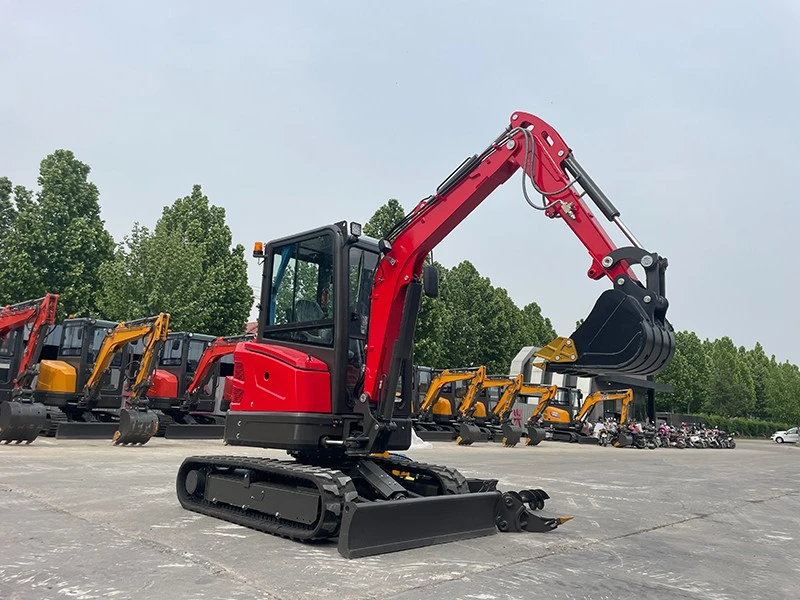

Our Product Range
As a crawler excavator supplier, we offer a wide range of high - quality crawler excavators. For example, our Mini Excavator 2 Ton is a compact and powerful machine, suitable for various small - scale construction projects. Its small size allows for easy transportation and operation in confined spaces. Our Mini Excavator Digger 2.7 Ton provides more power and digging capabilities, while still maintaining good maneuverability. And our Mini Excavator 1.2 Ton is an ideal choice for light - duty tasks and can be easily transported even on smaller trailers.
Contact for Purchase and Consultation
If you are interested in our crawler excavators or need more information about their transportation, please feel free to contact us. We have a professional team that can provide you with detailed product information, transportation solutions, and after - sales service. Whether you are a construction company, a contractor, or an individual user, we can offer the most suitable products and services to meet your needs.
References
- Construction Equipment Handbook: Heavy Machinery Transport
- Local Transportation Regulations
This blog provides a comprehensive guide on how to transport a crawler excavator. By following these steps, you can ensure the safe and efficient transportation of your valuable equipment. If you have any further questions or concerns, feel free to contact us, and we will be happy to assist you.


