

How to Replace the Spark Plugs in a Cummins Engine (if applicable)
As a reliable Cummins engine supplier, I understand the importance of proper maintenance for Cummins engines. While Cummins engines are well - known for their durability and performance, routine maintenance tasks like spark plug replacement are crucial to keep them running at their best. In this blog, I'll guide you through the process of replacing spark plugs in a Cummins engine, if applicable.
1. Understanding Cummins Engines and Spark Plugs
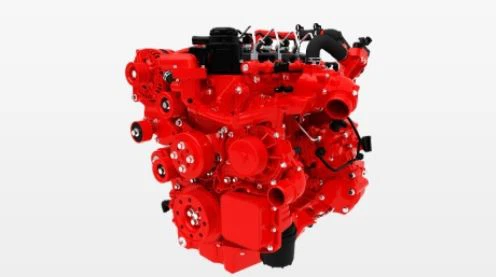
Cummins offers a wide range of engines for various applications, from light - duty vehicles to heavy - duty industrial equipment. Some Cummins engines, especially those used in certain types of vehicles or specific applications, may be equipped with spark plugs. For example, there are different models such as the Cummins B3.9 59kW 80hp, Cummins B5.9 96kW 130hp, and Cummins F2.8 36kW 49hp.
Spark plugs play a vital role in the combustion process. They create the spark that ignites the air - fuel mixture in the engine's cylinders. Over time, spark plugs can wear out, which can lead to misfires, reduced fuel efficiency, and decreased engine performance.
2. Tools and Materials Needed
Before you start replacing the spark plugs, gather the following tools and materials:

- Spark plug socket: Make sure it is the correct size for your Cummins engine's spark plugs.
- Ratchet and extension: This will help you reach the spark plugs easily, especially in engines with limited access.
- Spark plug gap tool: You need to ensure that the new spark plugs are gapped correctly according to the engine's specifications.
- Dielectric grease: This helps to prevent moisture and corrosion from affecting the spark plug boots.
- New spark plugs: Make sure they are the correct type and model for your Cummins engine. Refer to the engine's manual or consult with us as your trusted Cummins engine supplier to get the right ones.
3. Preparation
- Safety first: Park your vehicle or equipment in a well - ventilated area and let the engine cool down completely. Working on a hot engine can cause burns.
- Disconnect the battery: This is an important safety step to prevent any electrical shocks or short - circuits during the spark plug replacement process. Locate the battery and disconnect the negative terminal.
- Locate the spark plugs: Refer to your engine's manual to find the exact location of the spark plugs. In some Cummins engines, they may be easily accessible, while in others, you may need to remove some components like engine covers or air intake ducts to reach them.
4. Removing the Old Spark Plugs
- Remove the spark plug wires or ignition coils: Carefully grasp the boot of the spark plug wire or ignition coil and gently twist it while pulling it straight out. Be careful not to damage the wires or coils.
- Attach the spark plug socket to the ratchet and extension: Insert the socket onto the spark plug. Make sure it fits snugly.
- Loosen the spark plug: Turn the ratchet counter - clockwise to loosen the spark plug. Once it is loose, you can usually remove it by hand.
- Inspect the old spark plug: Take a look at the old spark plug. If it is covered in excessive carbon deposits, oil, or has a damaged electrode, it is a clear sign that it needs to be replaced. Keep in mind that the condition of the spark plug can also give you clues about the engine's overall health.
5. Preparing the New Spark Plugs
- Check the gap: Use the spark plug gap tool to measure the gap between the center and ground electrodes of the new spark plug. Adjust the gap if necessary according to the engine's specifications.
- Apply dielectric grease: Put a small amount of dielectric grease on the inside of the spark plug boot. This will help to create a good electrical connection and prevent moisture from getting in.
6. Installing the New Spark Plugs
- Insert the new spark plug: Carefully thread the new spark plug into the spark plug hole by hand. Make sure it starts going in straight. If it doesn't, you may cross - thread it, which can cause serious damage to the engine.
- Tighten the spark plug: Use the spark plug socket and ratchet to tighten the spark plug. Do not over - tighten it, as this can also damage the engine. Refer to the engine's manual for the correct torque specification.
- Reconnect the spark plug wire or ignition coil: Push the boot of the spark plug wire or ignition coil onto the new spark plug until it clicks into place.
7. Repeating the Process
Repeat steps 4 - 6 for each spark plug in the engine. Make sure to work one at a time to avoid mixing up the spark plug wires or ignition coils.
8. Final Steps
- Reconnect the battery: Once all the spark plugs are installed, reconnect the negative terminal of the battery.
- Start the engine: Start the engine and listen for any unusual noises. Check for any signs of misfires or other problems. If everything sounds and runs smoothly, you have successfully replaced the spark plugs in your Cummins engine.
Importance of Professional Advice
While replacing spark plugs can be a DIY project for some, it is always a good idea to consult with professionals, especially if you are unsure about any step in the process. As your Cummins engine supplier, we have a team of experts who can provide you with detailed guidance and support.
Contact for Purchase and Further Assistance
If you need to purchase new spark plugs or any other Cummins engine parts, or if you have any questions about engine maintenance, don't hesitate to contact us. We are committed to providing you with high - quality products and excellent customer service. Whether you own a Cummins B3.9 59kW 80hp, Cummins B5.9 96kW 130hp, or Cummins F2.8 36kW 49hp, we have the right parts and solutions for you.
References
- Cummins Engine Owners' Manuals
- Automotive repair textbooks on diesel and gasoline engine maintenance.


