

Breaking in a new wheel loader is a crucial process that can significantly impact its long - term performance, reliability, and overall lifespan. As a reputable wheel loader supplier, we understand the importance of this process and are here to guide you through it.
Understanding the Importance of Breaking - in
The break - in period of a wheel loader is like an athlete's warm - up before a big game. During manufacturing, the engine components, transmission parts, and other moving elements have some microscopic irregularities on their surfaces. Breaking in allows these parts to gradually wear against each other, smoothing out these irregularities and ensuring proper fit and alignment.

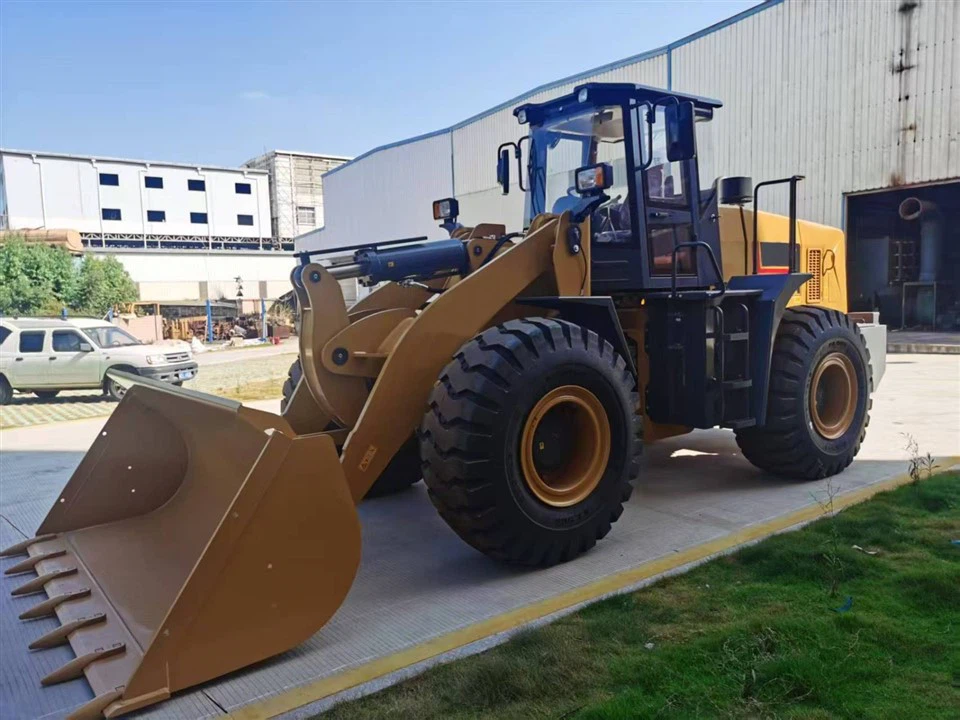
Proper break - in can reduce the risk of premature wear and tear, minimize the chances of component failures, and improve fuel efficiency. A well - broken - in wheel loader will operate more smoothly, provide better power output, and require less maintenance over its lifetime.
Pre - break - in Checks
Before you start the break - in process, it's essential to conduct a series of pre - break - in checks:
- Inspect the Machine: Thoroughly examine the wheel loader for any visible damage, loose bolts, or signs of leaking fluids. Check the tires for proper inflation, and ensure that all tools and accessories are securely attached.
- Fluid Levels: Check the engine oil, coolant, hydraulic fluid, and transmission fluid levels. Make sure they are at the recommended levels as specified in the operator's manual. Low fluid levels can cause serious damage to the machine during operation.
- Electrical System: Inspect the battery terminals for corrosion and ensure a proper connection. Check the headlights, taillights, and other electrical components to make sure they are functioning correctly.
- Operator's Manual: Familiarize yourself with the operator's manual. It contains valuable information about the specific break - in requirements, maintenance schedules, and operating procedures for your wheel loader.
The Initial Start - up
Once you've completed the pre - break - in checks, it's time to start the wheel loader:
- Start the Engine: Follow the correct starting procedure as outlined in the operator's manual. Allow the engine to idle for a few minutes to warm up. This helps the oil circulate throughout the engine and lubricate all the moving parts.
- Check for Warning Lights: While the engine is idling, check the dashboard for any warning lights. If any warning lights remain illuminated, it could indicate a problem that needs to be addressed before proceeding.
The First Hours of Operation
The first few hours of operation are critical for the break - in process. Here are some guidelines to follow:
- Avoid Heavy Loads: During the initial break - in period, avoid putting excessive stress on the machine. Do not overload the bucket or use the wheel loader for heavy - duty tasks. Gradually increase the load as the machine breaks in.
- Vary the Speed and Load: To ensure even wear on the components, vary the speed and load of the wheel loader. Do not run the machine at a constant speed for an extended period. Change the speed between low, medium, and high occasionally.
- Monitor the Temperature: Keep an eye on the engine temperature gauge. If the temperature rises too high, stop the machine immediately and allow it to cool down. Overheating during the break - in period can cause serious damage to the engine.
Transmission and Hydraulic System Break - in
The transmission and hydraulic systems also require proper break - in:
- Transmission: Shift through the gears smoothly during the initial operation. Avoid sudden gear changes, as this can cause unnecessary wear on the transmission components. Follow the recommended gear - shifting procedures in the operator's manual.
- Hydraulic System: Operate the hydraulic attachments, such as the bucket and lift arms, slowly and smoothly. This allows the hydraulic components to break in properly. Do not make rapid or jerky movements with the hydraulic controls.
Maintenance During the Break - in Period
Regular maintenance is essential during the break - in period:
- Oil Changes: Change the engine oil and filter after the first few hours of operation, as recommended in the operator's manual. This helps remove any metal particles or debris that may have been generated during the break - in process.
- Fluid Checks: Regularly check the levels of all fluids, including hydraulic fluid, transmission fluid, and coolant. Top up the fluids as needed.
- Inspections: Inspect the machine for any signs of leaks, loose bolts, or abnormal wear. Check the belts, hoses, and other components for damage.
Advanced Break - in Tips
As a wheel loader supplier, we have some advanced tips to ensure a successful break - in:
- Use High - Quality Fluids: Always use the recommended high - quality engine oil, hydraulic fluid, and other lubricants. These fluids are specifically formulated to provide optimal performance and protection during the break - in period.
- Follow the Manufacturer's Recommendations: Every wheel loader model may have specific break - in requirements. Make sure to follow the manufacturer's recommendations carefully to avoid voiding the warranty.
Our Wheel Loader Offerings
We offer a wide range of high - quality wheel loaders, including the Front Loader 4x4 Diesel Wheel Loader 5 Ton and the Wheel Loader Diesel Loader 3 Ton. These wheel loaders are designed to meet the diverse needs of our customers, from small - scale construction projects to large - scale mining operations.
Conclusion
Breaking in a new wheel loader is a process that requires patience and attention to detail. By following the guidelines outlined in this blog, you can ensure that your wheel loader operates at its best for years to come.
If you're interested in purchasing a wheel loader or have any questions about the break - in process, we encourage you to contact our sales team. We'll be happy to assist you with your procurement needs and provide you with all the information you need to make an informed decision.
References
- Wheel Loader Manufacturer's Operator Manuals
- Industry Best Practices for Heavy Equipment Break - in


