

A wheel excavator is a versatile and powerful piece of construction equipment that combines the mobility of a wheeled vehicle with the digging capabilities of an excavator. One of the key components of a wheel excavator is its steering system, which allows the operator to control the direction of the machine. In this blog post, I'll delve into the inner workings of a wheel excavator's steering system, explaining how it functions and what makes it so crucial for the machine's operation. As a wheel excavator supplier, I've had the privilege of working closely with these remarkable machines and understanding the intricacies of their steering systems.
Basic Components of a Wheel Excavator Steering System
The steering system of a wheel excavator consists of several key components that work together to enable smooth and precise control. These components include the steering wheel, steering column, steering gearbox, hydraulic system, and steering cylinders.
The steering wheel is the primary interface between the operator and the steering system. When the operator turns the steering wheel, it sends a signal to the steering column, which in turn transfers the motion to the steering gearbox. The steering gearbox is responsible for converting the rotational motion of the steering wheel into linear motion, which is then transmitted to the steering cylinders.
The hydraulic system plays a crucial role in the steering system of a wheel excavator. It provides the power necessary to move the steering cylinders and turn the wheels. The hydraulic system consists of a hydraulic pump, hydraulic fluid, hydraulic hoses, and valves. The hydraulic pump is driven by the engine of the wheel excavator and generates the pressure needed to operate the steering cylinders.
The steering cylinders are the actuators that actually move the wheels of the wheel excavator. They are connected to the wheels through a series of linkages and are controlled by the hydraulic system. When the hydraulic fluid is pumped into the steering cylinders, it causes them to extend or retract, which in turn moves the wheels and changes the direction of the machine.
Types of Steering Systems in Wheel Excavators
There are two main types of steering systems used in wheel excavators: front-wheel steering and all-wheel steering.
Front-Wheel Steering
Front-wheel steering is the most common type of steering system used in wheel excavators. In this system, only the front wheels are steered, while the rear wheels remain fixed. Front-wheel steering is relatively simple and cost-effective, making it a popular choice for many wheel excavator models. It provides good maneuverability at low speeds and is suitable for a wide range of applications.
All-Wheel Steering
All-wheel steering, also known as four-wheel steering, is a more advanced steering system that allows all four wheels of the wheel excavator to be steered. This type of steering system provides greater maneuverability and flexibility, especially in tight spaces. All-wheel steering can be further divided into two subtypes: coordinated steering and crab steering.
- Coordinated Steering: In coordinated steering, the front and rear wheels are steered in the same direction, which allows the wheel excavator to turn more sharply and with a smaller turning radius. This is particularly useful when working in confined areas or when performing precise maneuvers.
- Crab Steering: Crab steering allows the wheel excavator to move sideways without changing its orientation. This is achieved by steering all four wheels in the same direction, which enables the machine to move parallel to its original path. Crab steering is often used in applications where the wheel excavator needs to move along a wall or other obstacle.
How the Steering System Works in Practice
Let's take a closer look at how the steering system of a wheel excavator works in practice. When the operator turns the steering wheel, it sends a signal to the steering column, which then transfers the motion to the steering gearbox. The steering gearbox converts the rotational motion of the steering wheel into linear motion and transmits it to the steering cylinders through the hydraulic system.
The hydraulic pump, driven by the engine, generates the pressure needed to operate the steering cylinders. The hydraulic fluid is pumped into the steering cylinders, causing them to extend or retract. As the steering cylinders move, they push or pull on the linkages connected to the wheels, causing the wheels to turn.
The amount of steering force required depends on several factors, including the size and weight of the wheel excavator, the speed at which it is traveling, and the type of terrain it is operating on. The hydraulic system is designed to provide the necessary force to turn the wheels smoothly and efficiently, even under heavy loads.
Importance of a Well-Functioning Steering System
A well-functioning steering system is essential for the safe and efficient operation of a wheel excavator. It allows the operator to control the direction of the machine accurately, which is crucial for performing tasks such as digging, loading, and transporting materials. A faulty steering system can lead to accidents, damage to the machine, and decreased productivity.
Regular maintenance and inspection of the steering system are necessary to ensure its proper functioning. This includes checking the hydraulic fluid levels, inspecting the steering cylinders and linkages for wear and damage, and lubricating the moving parts. Any issues or abnormalities should be addressed promptly to prevent further damage and ensure the safety of the operator and the machine.
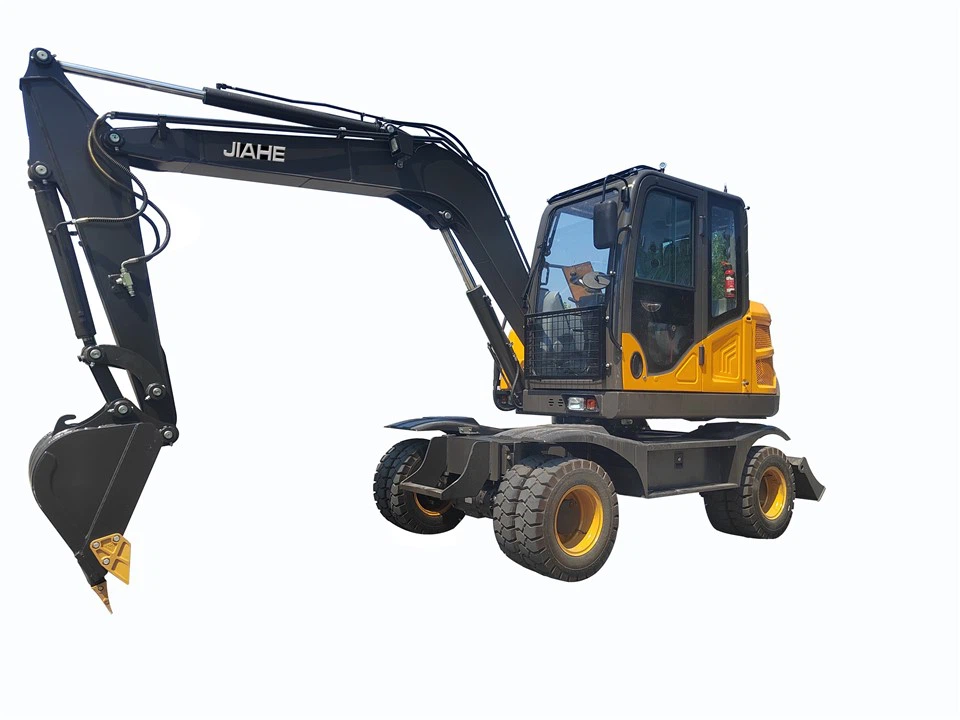

Our Wheel Excavator Offerings
As a wheel excavator supplier, we offer a wide range of high-quality wheel excavators to meet the diverse needs of our customers. Our wheel excavators are equipped with advanced steering systems that provide excellent maneuverability and control. Whether you need a 12 Ton Wheel Excavator for heavy-duty construction projects or a Mini Digger 6.5 Ton for smaller-scale tasks, we have the right machine for you.
We also offer Excavator with Multiple Attachments 7.5 Ton that can be customized with a variety of attachments to enhance their versatility and functionality. Our team of experts can help you choose the right wheel excavator and attachments for your specific requirements.
Contact Us for Purchasing and Consultation
If you're interested in purchasing a wheel excavator or have any questions about our products and services, please don't hesitate to contact us. Our experienced sales team is ready to assist you with your inquiries and provide you with detailed information about our wheel excavators. We can also arrange a demonstration so that you can see our machines in action and experience their performance firsthand.
Investing in a high-quality wheel excavator with a reliable steering system is a smart decision that can significantly improve your productivity and efficiency on the job site. Contact us today to learn more about our wheel excavators and how they can benefit your business.
References
- Bosch Rexroth. (2023). Mobile Hydraulics Handbook.
- Caterpillar. (2023). Wheel Excavator Operator's Manual.
- Komatsu. (2023). Wheel Excavator Technical Guide.


