

Operating a Cummins engine in dusty environments presents a unique set of challenges and requires a comprehensive understanding of how the engine functions under such conditions. As a reliable Cummins engine supplier, I've witnessed firsthand the performance and adaptability of these engines in various harsh settings. In this blog, I'll delve into the intricacies of how a Cummins engine operates in dusty environments, exploring the key components, challenges, and solutions to ensure optimal performance.

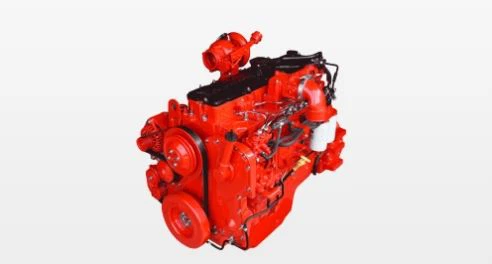
Key Components and Their Functions
Air Intake System
The air intake system is the first line of defense against dust and debris. Cummins engines are equipped with highly efficient air filters designed to trap particles as small as a few microns. These filters are typically made of multi - layer media that can withstand high dust loads. For example, the Cummins L8.9 164kW 220hp engine uses a state - of - the - art air filter that provides excellent filtration efficiency while maintaining low restriction to air flow.
The air intake system also includes a pre - cleaner in many models. The pre - cleaner is designed to remove larger particles before the air reaches the main filter. It works on the principle of centrifugal force, where the incoming air is spun, and the heavier dust particles are thrown to the outer edges and collected in a separate chamber. This significantly reduces the load on the main air filter, extending its service life.
Fuel System
The fuel system in a Cummins engine is engineered to deliver precise amounts of fuel under all operating conditions, including dusty environments. The fuel injectors are designed to atomize the fuel into fine droplets, ensuring efficient combustion. In dusty conditions, it's crucial that the fuel system remains clean to prevent clogging and ensure proper fuel delivery.
Cummins engines use high - pressure common - rail fuel systems in many of their models, such as the Cummins L9 162kW 217hp. These systems are less susceptible to the effects of dust compared to older mechanical fuel injection systems. The high - pressure fuel pump is sealed and protected to prevent dust ingress, and the fuel filters are designed to remove any contaminants that may be present in the fuel.
Cooling System
The cooling system plays a vital role in maintaining the engine's operating temperature, especially in dusty environments. Dust can accumulate on the radiator fins, reducing the cooling efficiency. Cummins engines are equipped with large - capacity radiators and powerful cooling fans to dissipate heat effectively.
The radiator is designed with wide - spaced fins in some models to prevent dust from clogging the passages easily. Additionally, the cooling system may include a dust - removal feature, such as a reverse - flow fan. This fan can be activated periodically to blow the dust off the radiator fins, ensuring optimal cooling performance.
Challenges in Dusty Environments
Air Filter Clogging
One of the most significant challenges in dusty environments is air filter clogging. As the engine draws in large volumes of dusty air, the air filter can become saturated with particles over time. A clogged air filter restricts the air flow into the engine, leading to reduced power output, increased fuel consumption, and higher exhaust emissions.
If the air filter is not replaced or cleaned in a timely manner, it can cause serious damage to the engine. The lack of sufficient air can result in incomplete combustion, which can lead to the formation of carbon deposits on the pistons, valves, and other engine components.
Wear and Tear on Engine Components
Dust particles that manage to bypass the air filter can cause significant wear and tear on the engine's internal components. These particles act as abrasives, scouring the surfaces of the cylinders, pistons, and bearings. Over time, this can lead to increased friction, reduced engine efficiency, and ultimately, engine failure.
In addition, dust can contaminate the lubricating oil, reducing its effectiveness in protecting the engine components. The contaminated oil can cause accelerated wear and corrosion, leading to costly repairs.
Cooling System Inefficiency
As mentioned earlier, dust accumulation on the radiator fins can reduce the cooling system's efficiency. When the engine overheats, it can cause a variety of problems, including reduced power output, increased stress on engine components, and potential damage to the engine block and cylinder heads.
Solutions for Optimal Operation in Dusty Environments
Regular Maintenance
Regular maintenance is crucial for the proper operation of a Cummins engine in dusty environments. This includes frequent inspection and replacement of the air filter. Depending on the dust level in the operating environment, the air filter may need to be replaced more often than in a clean environment.
The fuel filters should also be replaced at the recommended intervals to ensure clean fuel delivery. The lubricating oil should be changed regularly, and oil analysis should be performed to monitor the level of contaminants in the oil.
Upgraded Filtration Systems
For engines operating in extremely dusty environments, upgrading the filtration systems can be a viable solution. Cummins offers a range of aftermarket air filters and pre - cleaners that provide enhanced filtration efficiency. These upgraded filters can trap smaller particles and handle higher dust loads, reducing the risk of air filter clogging and engine damage.
Dust - Resistant Design Features
Some Cummins engines are designed with additional dust - resistant features. For example, the Cummins B3.9 59kW 80hp engine may have sealed engine compartments and protective covers to prevent dust from entering sensitive areas. These design features can significantly improve the engine's reliability in dusty environments.
Monitoring and Diagnostic Tools
Cummins engines are equipped with advanced monitoring and diagnostic tools that can help detect potential problems early. These tools can monitor parameters such as air filter restriction, fuel pressure, and engine temperature. By analyzing the data collected by these tools, operators can identify issues before they cause significant damage to the engine.
Conclusion
Operating a Cummins engine in dusty environments requires a combination of proper design, regular maintenance, and the use of appropriate solutions. The key components of the engine, such as the air intake system, fuel system, and cooling system, are engineered to perform under challenging conditions. However, the presence of dust poses significant challenges, including air filter clogging, wear and tear on engine components, and cooling system inefficiency.
By following the recommended maintenance procedures, upgrading the filtration systems when necessary, and utilizing the monitoring and diagnostic tools, operators can ensure the optimal performance and longevity of their Cummins engines in dusty environments.
If you're looking for a reliable Cummins engine for your application in a dusty environment, or if you have any questions about the operation and maintenance of these engines, I encourage you to contact us for a detailed discussion. We're here to provide you with the best solutions and support to meet your needs.
References
- Cummins Engine Technical Manuals
- Industry research on engine performance in dusty environments
- Cummins official product documentation


