Can specialized equipment be repaired easily? This is a question that often comes up among users and buyers of specialized equipment. As a supplier of specialized equipment, I've had numerous conversations with customers about the ease of repair for these machines. In this blog, I'll share my insights on this topic based on my experience in the industry.
Specialized equipment, by its very nature, is designed for specific tasks. Whether it's a Long Arm Excavator used in construction, a high - precision medical device, or a specialized agricultural machine, each piece of equipment has unique features and functions. These unique characteristics can have a significant impact on the ease of repair.
One of the primary factors that affect the repairability of specialized equipment is its complexity. High - tech and specialized machines often contain advanced electronics, sophisticated mechanical components, and intricate software systems. For example, modern long - arm excavators are equipped with advanced hydraulic systems, GPS navigation, and automated control features. These complex systems require highly skilled technicians with in - depth knowledge of the equipment to diagnose and fix problems. If a component within the hydraulic system fails, it may not be as simple as replacing a standard part. The technician needs to understand the hydraulic principles, the interactions between different components, and how to properly calibrate the system after the repair.
Another aspect to consider is the availability of spare parts. Specialized equipment often uses parts that are not commonly found in the market. Manufacturers may produce these parts in limited quantities, and they may be difficult to source. For instance, a specialized medical imaging device may use a unique type of detector that is only produced by a specific manufacturer. If this detector fails, obtaining a replacement part can be a time - consuming and costly process. This lack of readily available spare parts can significantly delay the repair process and increase the overall cost of repair.
However, not all specialized equipment is difficult to repair. Some manufacturers design their equipment with repairability in mind. They use modular designs, which means that different components of the equipment can be easily removed and replaced. For example, certain industrial robots are designed with modular joints. If a joint fails, the technician can simply remove the faulty module and replace it with a new one. This reduces the repair time and makes the process more straightforward.
The level of support provided by the manufacturer also plays a crucial role in the ease of repair. A good manufacturer will offer comprehensive technical support, including online resources, training programs for technicians, and on - site support. For example, our company provides detailed user manuals, video tutorials, and 24/7 technical support to our customers. This ensures that even if a customer encounters a problem with the equipment, they can get the necessary guidance to carry out the repair.
In addition, the training and skills of the maintenance personnel are essential. Technicians who are trained specifically for a particular type of specialized equipment are more likely to be able to repair it quickly and effectively. We often organize training courses for our customers' maintenance teams to ensure that they have the knowledge and skills to handle common problems. These courses cover topics such as equipment operation, maintenance procedures, and troubleshooting techniques.

When it comes to the cost of repair, it can vary widely depending on the type of equipment and the nature of the problem. As mentioned earlier, the cost of spare parts can be a significant factor. In some cases, the cost of a single spare part can be very high, especially for high - end specialized equipment. Labor costs also play a role. Skilled technicians who are trained to work on specialized equipment typically command higher hourly rates. However, in the long run, investing in proper repair and maintenance can save money by extending the lifespan of the equipment and reducing the frequency of breakdowns.
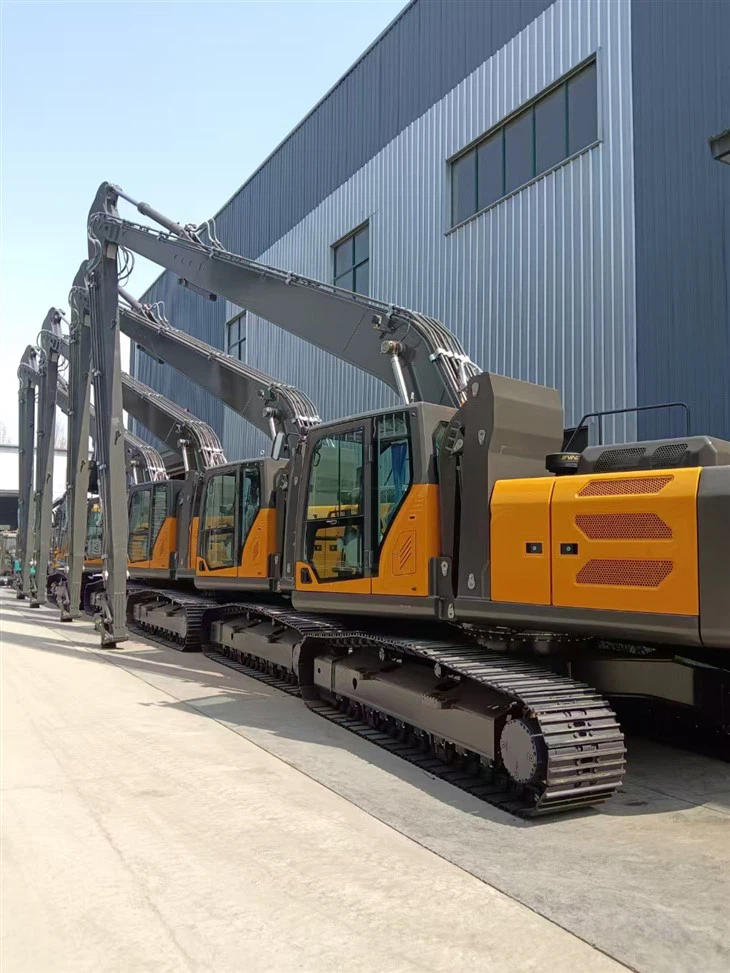
Let's take a closer look at the Long Arm Excavator as an example. This type of excavator is designed for specific applications such as deep digging, demolition, and long - reach operations. Its long arm and advanced hydraulic system make it a powerful and versatile machine. However, when it comes to repair, the long arm can pose some challenges. The hydraulic hoses and cylinders in the long arm need to be carefully inspected and maintained. If a hydraulic hose fails, it needs to be replaced with a hose of the correct size and pressure rating. The long arm also requires regular lubrication and alignment checks to ensure smooth operation.
Despite these challenges, with the right training and support, the repair of a long - arm excavator can be managed effectively. Our company offers a range of services for long - arm excavators, including preventive maintenance, on - site repair, and spare parts supply. We have a team of experienced technicians who are trained to work on these machines, and we keep a stock of commonly used spare parts to minimize downtime.
In conclusion, the ease of repairing specialized equipment depends on several factors, including the complexity of the equipment, the availability of spare parts, the level of manufacturer support, and the skills of the maintenance personnel. While some specialized equipment can be challenging to repair, with proper planning, training, and support, the repair process can be made more manageable.
If you're in the market for specialized equipment or need assistance with the repair and maintenance of your existing equipment, we're here to help. We offer a wide range of specialized equipment, including the Long Arm Excavator, and our team of experts can provide you with the support and guidance you need. Contact us to discuss your requirements and explore how we can meet your needs.
References
- Industry reports on specialized equipment maintenance and repair
- Manufacturer's technical documentation for various specialized equipment models