

Hey there! As a supplier of 3 - ton diesel forklifts, I often get asked if these robust machines can be used in a textile factory. Let's dive right into this question and figure out if a 3 - ton diesel forklift is a good fit for textile factories.
Understanding the Basics of a 3 - Ton Diesel Forklift
First off, a 3 - ton diesel forklift is a powerful piece of equipment. It's designed to handle heavy loads up to 3 tons, which is pretty substantial. Diesel forklifts are known for their high torque, which means they can move heavy items with relative ease. They're also great for outdoor use or in large, well - ventilated indoor spaces because they emit exhaust fumes.
The Textile Factory Environment
Textile factories have their own unique set of requirements. They deal with large rolls of fabric, spools of thread, and finished textile products. These items can be heavy, but they also need to be handled with care to avoid damage. The factory floors are usually clean and smooth, and there are often narrow aisles for moving goods around.
Advantages of Using a 3 - Ton Diesel Forklift in a Textile Factory
High Load Capacity
One of the biggest advantages of a 3 - ton diesel forklift is its load - carrying capacity. In a textile factory, there are often large rolls of fabric that can weigh several hundred kilograms. A 3 - ton forklift can easily lift and move these heavy items, making the transportation process much more efficient.
Durability
Diesel forklifts are built to last. They can withstand the wear and tear of daily use in a factory environment. In a textile factory, where there's a lot of movement of heavy goods, a durable forklift is essential. It can handle the constant lifting, moving, and turning without breaking down easily.
Power
Diesel engines provide a lot of power, which is great for lifting heavy loads quickly. This means that in a textile factory, workers can move large quantities of goods in a shorter amount of time, increasing productivity.

Disadvantages of Using a 3 - Ton Diesel Forklift in a Textile Factory
Exhaust Fumes
Diesel forklifts emit exhaust fumes, which can be a problem in a textile factory. Textile products are often sensitive to air quality, and the fumes can contaminate the fabric. Also, if the factory has poor ventilation, the fumes can pose a health risk to the workers.
Noise
Diesel forklifts are generally noisier than electric forklifts. In a textile factory, where a quiet working environment is often preferred, the noise from a diesel forklift can be a distraction. It can also make it difficult for workers to communicate effectively.
Maintenance
Diesel forklifts require more maintenance compared to electric forklifts. They have more complex engines, and regular servicing is needed to keep them running smoothly. This can add to the overall cost of using a diesel forklift in a textile factory.
Alternatives to a 3 - Ton Diesel Forklift in a Textile Factory
If the disadvantages of a diesel forklift are a concern, there are some alternatives available.
Electric Forklift 2.5 Ton
An electric forklift is a great option for a textile factory. It doesn't emit exhaust fumes, so it won't contaminate the fabric. It's also much quieter than a diesel forklift, creating a more pleasant working environment. However, its load capacity is slightly lower at 2.5 tons.
Mini Electric Forklift 1.8 Ton
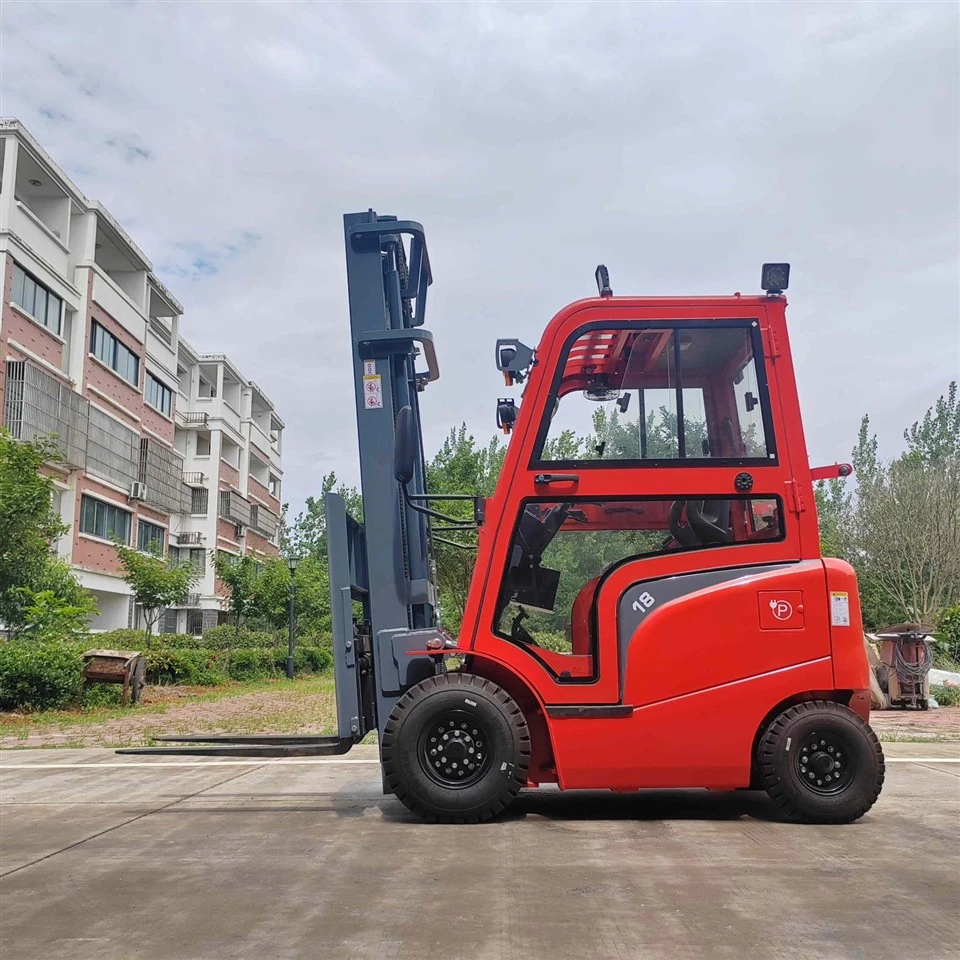
For smaller loads and in narrow aisles, a mini electric forklift can be a good choice. It's more maneuverable and can easily navigate through tight spaces in a textile factory. But it has a lower load capacity of 1.8 tons.
Electric Forklift 4 Ton
If you need to handle heavier loads, an electric forklift with a 4 - ton capacity is available. It combines the benefits of an electric forklift (no exhaust fumes, low noise) with a higher load - carrying capacity.
Making the Decision
So, can a 3 - ton diesel forklift be used in a textile factory? The answer depends on several factors. If the factory has good ventilation, and the workers can tolerate the noise, a 3 - ton diesel forklift can be a great option due to its high load capacity and durability. However, if air quality and noise are major concerns, an electric forklift might be a better choice.
When making a decision, it's also important to consider the specific needs of the textile factory. For example, if there are a lot of narrow aisles, a smaller and more maneuverable forklift might be required.
Contact Us for Your Forklift Needs
If you're in the market for a forklift for your textile factory, whether it's a 3 - ton diesel forklift or one of the electric alternatives, we're here to help. We have a wide range of forklifts to suit different needs and budgets. Don't hesitate to reach out to us for more information and to discuss your specific requirements. We can provide you with detailed product information, pricing, and help you make the best decision for your factory.
References
- Forklift Industry Handbook
- Textile Factory Operations Guide


