

Are there any training requirements to operate a 7 - ton diesel forklift?
As a supplier of 7 - ton diesel forklifts, I often get asked about the training requirements for operating these powerful machines. In this blog post, I'll delve into the details of what it takes to safely and effectively operate a 7 - ton diesel forklift.
Understanding the Basics of a 7 - Ton Diesel Forklift
Before we discuss the training requirements, let's first understand what a 7 - ton diesel forklift is. These forklifts are heavy - duty machines designed to lift and move large and heavy loads. They are commonly used in industrial settings such as warehouses, construction sites, and ports. The diesel engine provides the necessary power to handle the 7 - ton lifting capacity, making them suitable for tough and demanding jobs.
Legal Requirements for Forklift Operation
In most countries and regions, there are legal requirements for operating a forklift. These requirements are in place to ensure the safety of the operator, other workers, and the general public. For a 7 - ton diesel forklift, operators are typically required to have a valid forklift license or certification.
The process of obtaining a forklift license usually involves a combination of theoretical and practical training. Theoretical training covers topics such as forklift safety regulations, load handling principles, and basic mechanical knowledge. Practical training, on the other hand, allows the operator to gain hands - on experience in operating the forklift under the supervision of a qualified instructor.
Theoretical Training
Theoretical training is an essential part of forklift operator training. It provides the operator with the knowledge they need to understand the risks associated with operating a 7 - ton diesel forklift and how to mitigate them.
One of the key aspects of theoretical training is learning about safety regulations. Different countries and regions have their own specific safety regulations for forklift operation. Operators need to be familiar with these regulations, which may include requirements for wearing personal protective equipment (PPE), speed limits in the workplace, and proper load handling procedures.
Load handling principles are also an important part of the theoretical training. Operators need to understand how to calculate the weight and balance of a load, as well as how to properly attach and secure the load to the forklift. Improper load handling can lead to accidents such as tip - overs and dropped loads, which can cause serious injuries and damage to property.
Basic mechanical knowledge is another area covered in theoretical training. Operators should have a basic understanding of how the forklift's engine, hydraulic system, and other components work. This knowledge can help them identify and troubleshoot minor problems before they become major issues.
Practical Training
Practical training is where the operator gets to apply the knowledge they have learned in the theoretical training. It involves hands - on experience in operating the 7 - ton diesel forklift in a controlled environment.
During practical training, the operator will learn how to start and stop the forklift, how to maneuver it in different directions, and how to lift and lower loads safely. They will also practice tasks such as stacking and unstacking pallets, as well as driving the forklift on different types of terrain.
The practical training is usually conducted under the supervision of a qualified instructor. The instructor will provide feedback and guidance to the operator, helping them improve their skills and techniques. It is important for the operator to practice regularly to gain confidence and proficiency in operating the forklift.
Additional Training Considerations
In addition to the basic license or certification training, there may be additional training requirements depending on the specific workplace and the tasks the operator will be performing.
For example, if the 7 - ton diesel forklift will be used in a hazardous environment such as a chemical plant or a food processing facility, the operator may need to undergo specialized training in handling hazardous materials or working in a cleanroom environment.
Some workplaces may also require operators to undergo refresher training on a regular basis. This helps to ensure that the operator's skills and knowledge are up - to - date and that they are aware of any changes in safety regulations or best practices.
Our Company's Support for Training
As a supplier of 7 - ton diesel forklifts, we understand the importance of proper training. We offer support to our customers in terms of providing information about training providers and courses. We can also assist in arranging on - site training if required.
We believe that investing in proper training for forklift operators is not only a legal requirement but also a smart business decision. Well - trained operators are more likely to operate the forklift safely and efficiently, which can reduce the risk of accidents and downtime.
Other Forklift Options
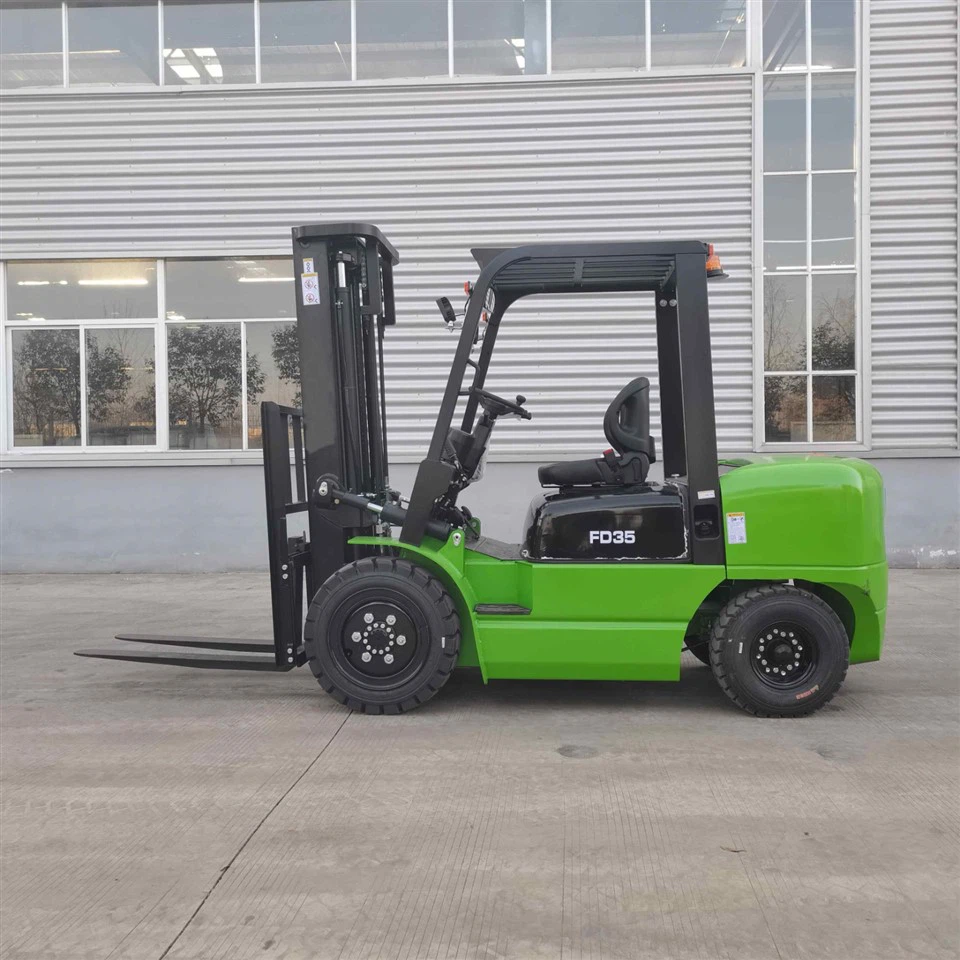
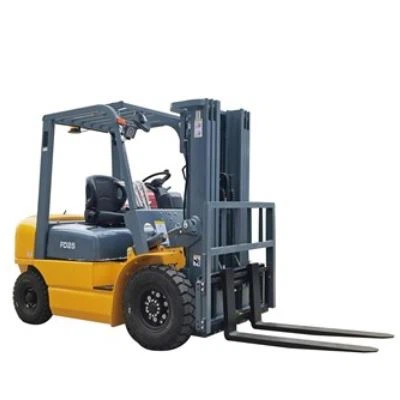
If you are considering different forklift options, we also offer a range of other diesel forklifts. For example, our 10 Ton Diesel Forklift - FD100 is suitable for even heavier loads, while our 2.5 Ton Diesel Forklift and 3.5 Ton Diesel Forklift are more suitable for lighter - duty applications.
Contact Us for Purchase and Training
If you are interested in purchasing a 7 - ton diesel forklift or any of our other forklift models, we encourage you to contact us for more information. Our team of experts can provide you with detailed product specifications, pricing, and information about training options. We are committed to helping you find the right forklift for your needs and ensuring that your operators are properly trained to use it safely and effectively.
References
- OSHA (Occupational Safety and Health Administration) - Forklift Safety Standards
- ISO (International Organization for Standardization) - Forklift Design and Safety Standards
- Industry - specific safety guidelines from relevant trade associations


